The Sculptor's Chisel
Menu
The information on the web is very inconsistent. There are unreliable sources that even on the very same web page demonstrate inconsistencies. I will try to be brief and somewhat accurate, as I can be. Most of the information here is from the Metropolitan Museum of Art, NY NY.
The Archaic period started at the end of the Greek Bronze age. The Bronze age began 3,000 BC until 1050 BC, that date being the beginning of the Archaic Period.
Greece being mostly tribal areas with a few city states was spread about the Aegean region. I think of early Greece as a sea fairing nation, developing an autonomy between cities through trade. Cities were states, and had control over small regions. As trading grew, colonization began.
I can assume that the center of powers in Archaic Greece, were strongly associated with the art and architecture. These City States were on the mainland, would be Sparta, Corinth and Athens.
Greek settlements stretched all the way from the coast of Asia Minor and the Aegean islands, to mainland Greece, Sicily, North Africa, and even Spain.
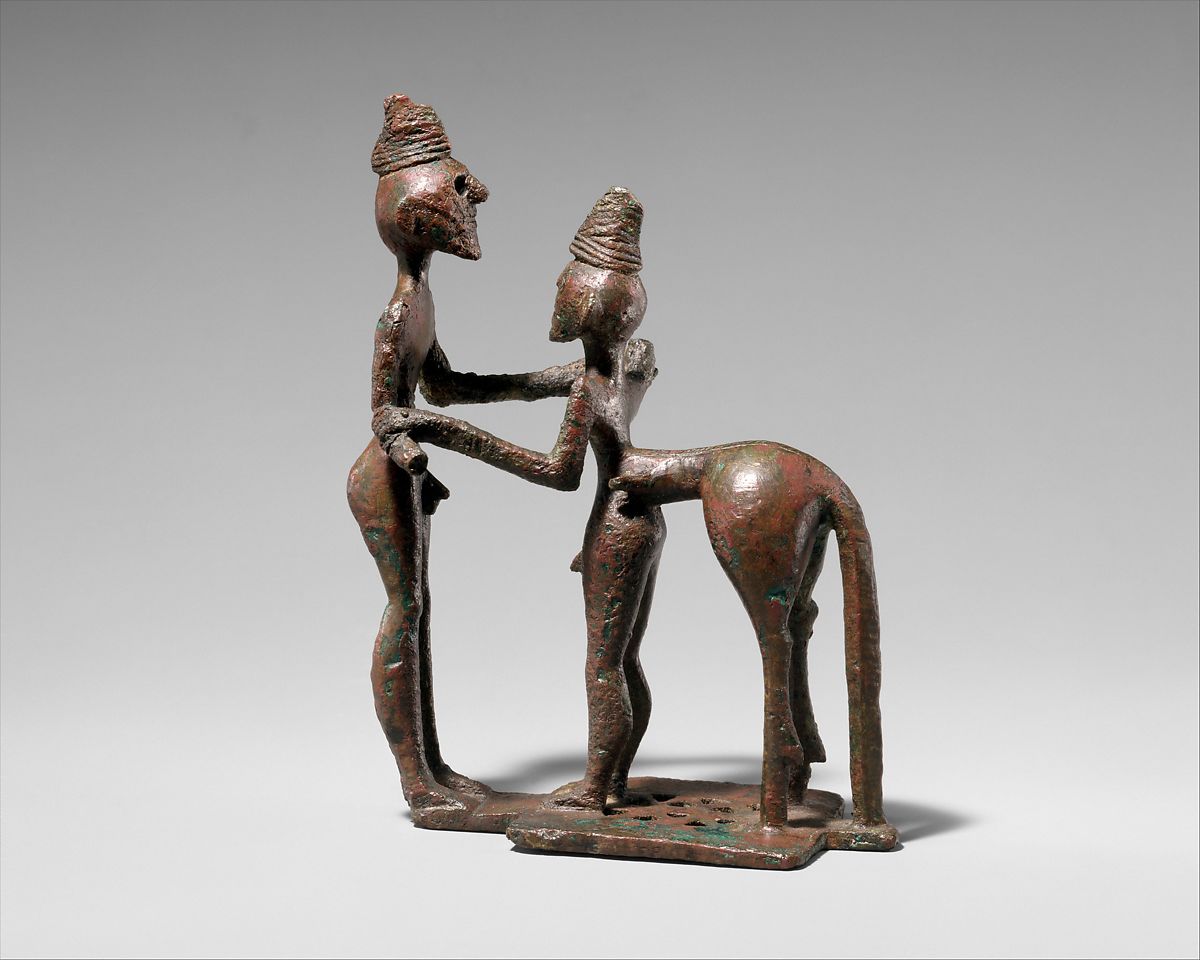
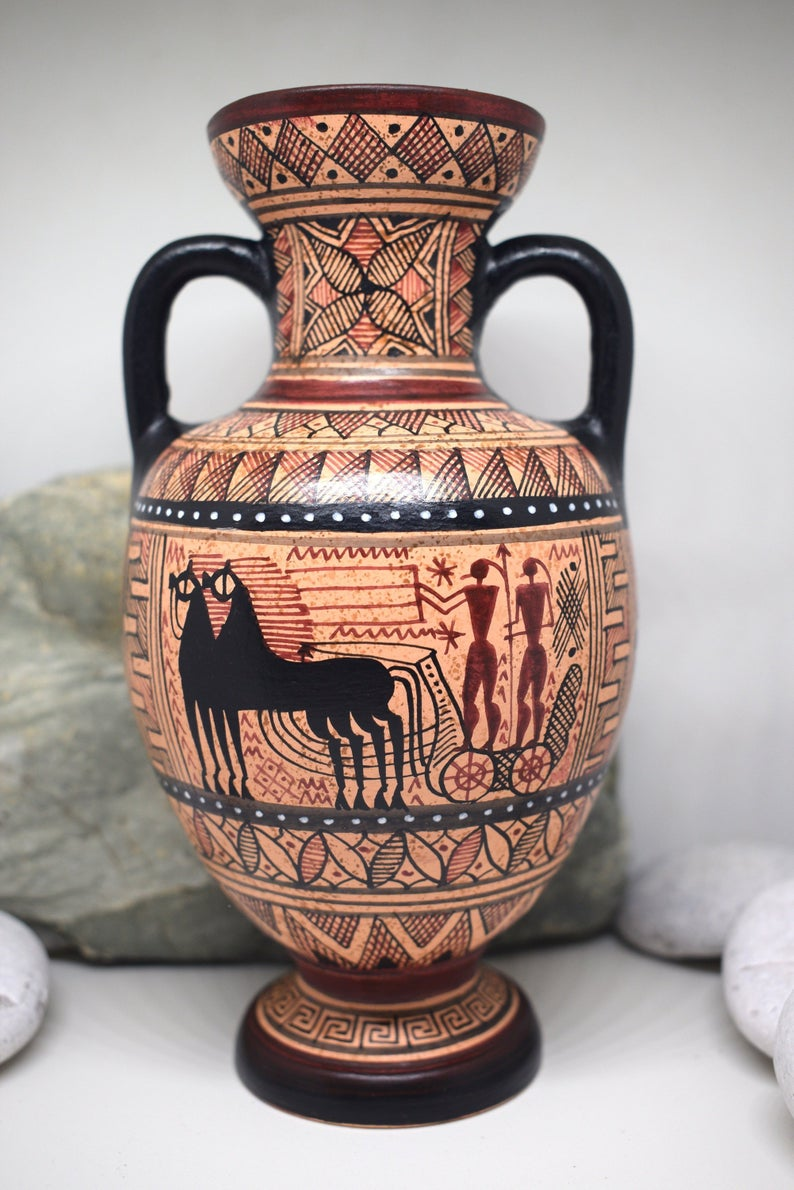
Geometric Shaped sculptures and art, simplified shapes. They were influenced by Egyptian, Syrian and Persian empires.
https://www.metmuseum.org/toah/hd/argk/hd_argk.htm
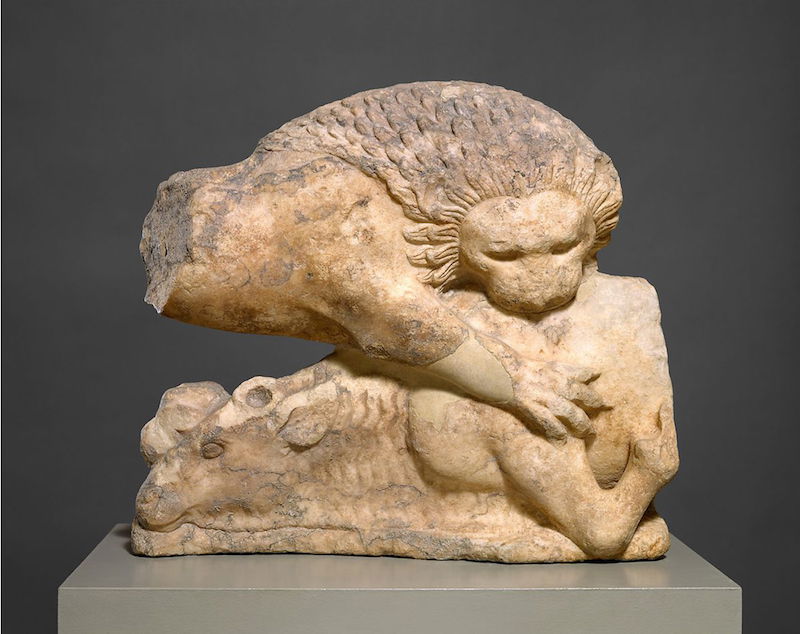
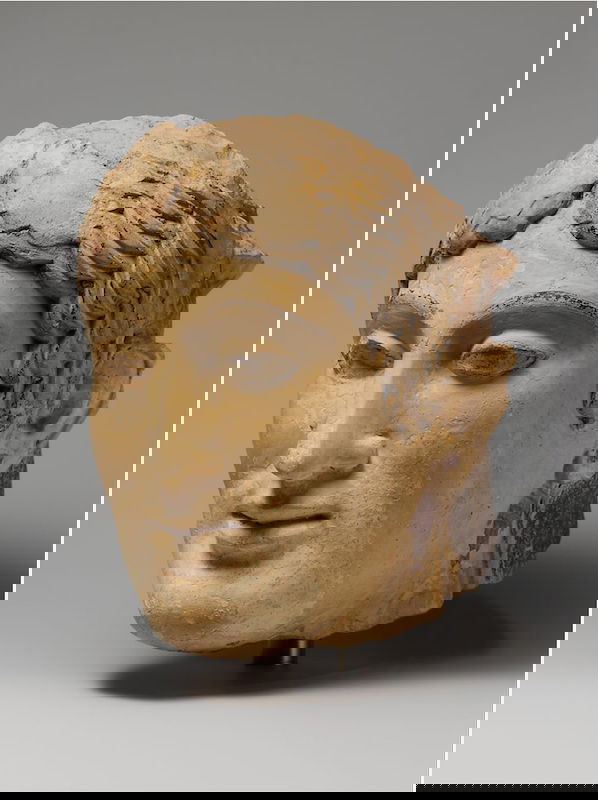
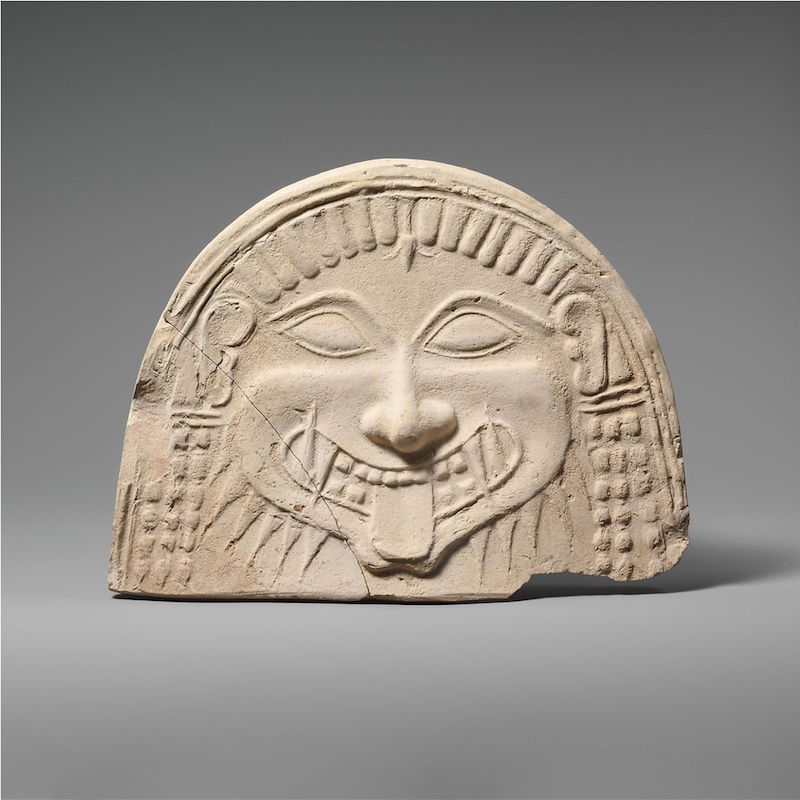
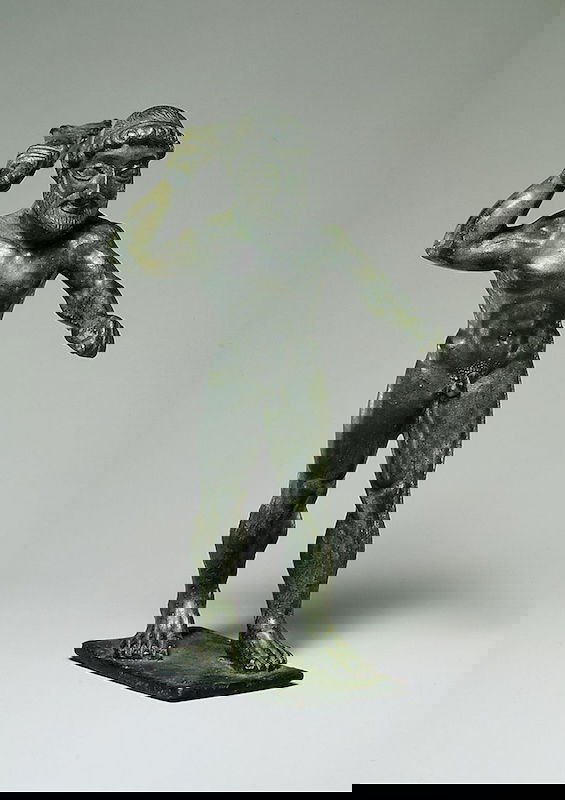
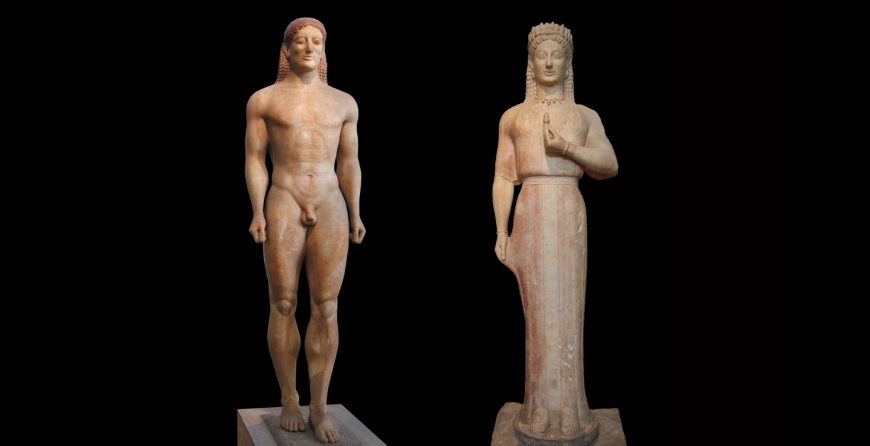
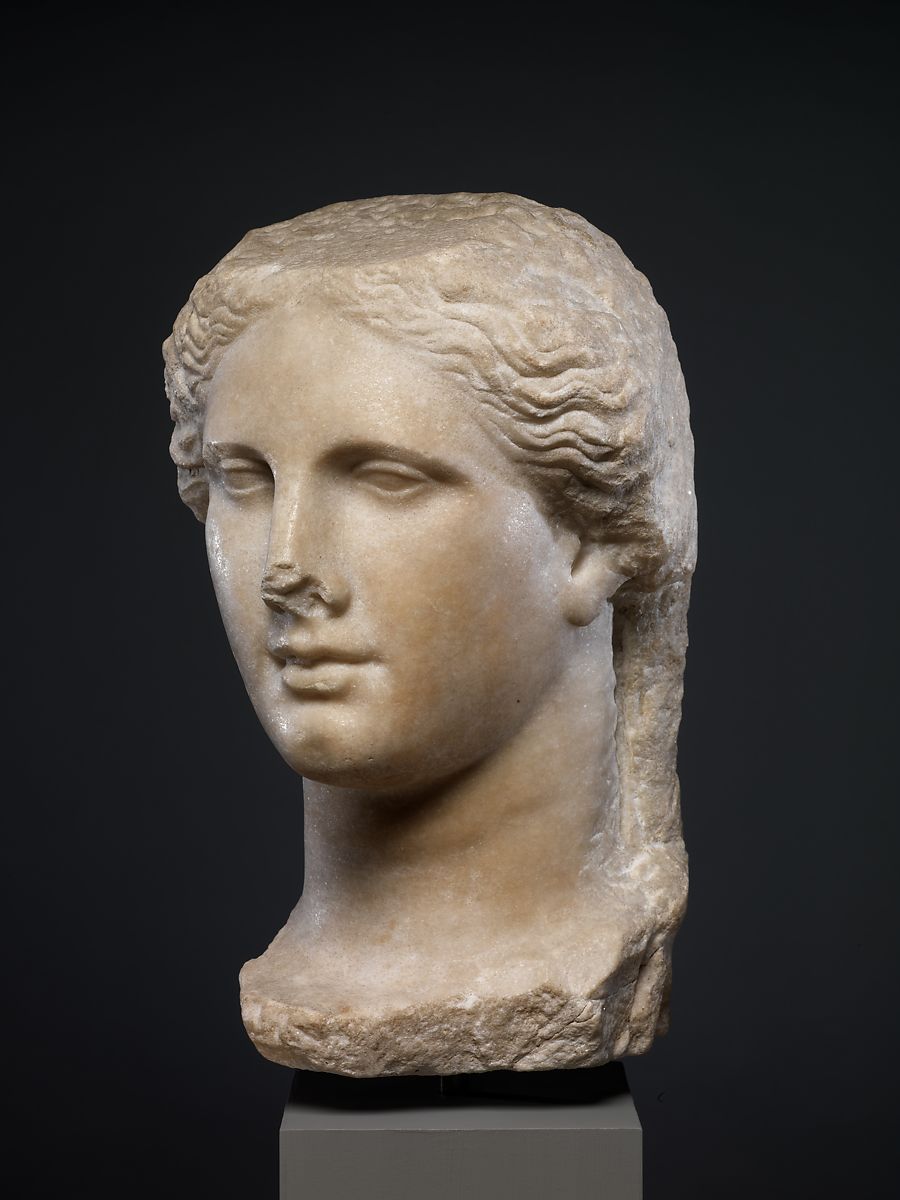
Is defined by Early, High and Late Classical styles. Each iteration becoming more plastic with both anatomy and drapery.
After the defeat of the Persians in 479 B.C., Athens dominated Greece politically, economically, and culturally. The Athenians organized a confederacy of allies to ensure the freedom of the Greek cities in the Aegean islands and on the coast of Asia Minor. Members of the so-called Delian League provided either ships or a fixed sum of money that was kept in a treasury on the island of Delos, sacred to Apollo. With control of the funds and a strong fleet, Athens gradually transformed the originally voluntary members of the League into subjects. By 454/453 B.C., when the treasury was moved from Delos to the Athenian Akropolis, the city had become a wealthy imperial power. It had also developed into the first democracy. All adult male citizens participated in the elections and meetings of the assembly, which served as both the seat of government and a court of law.
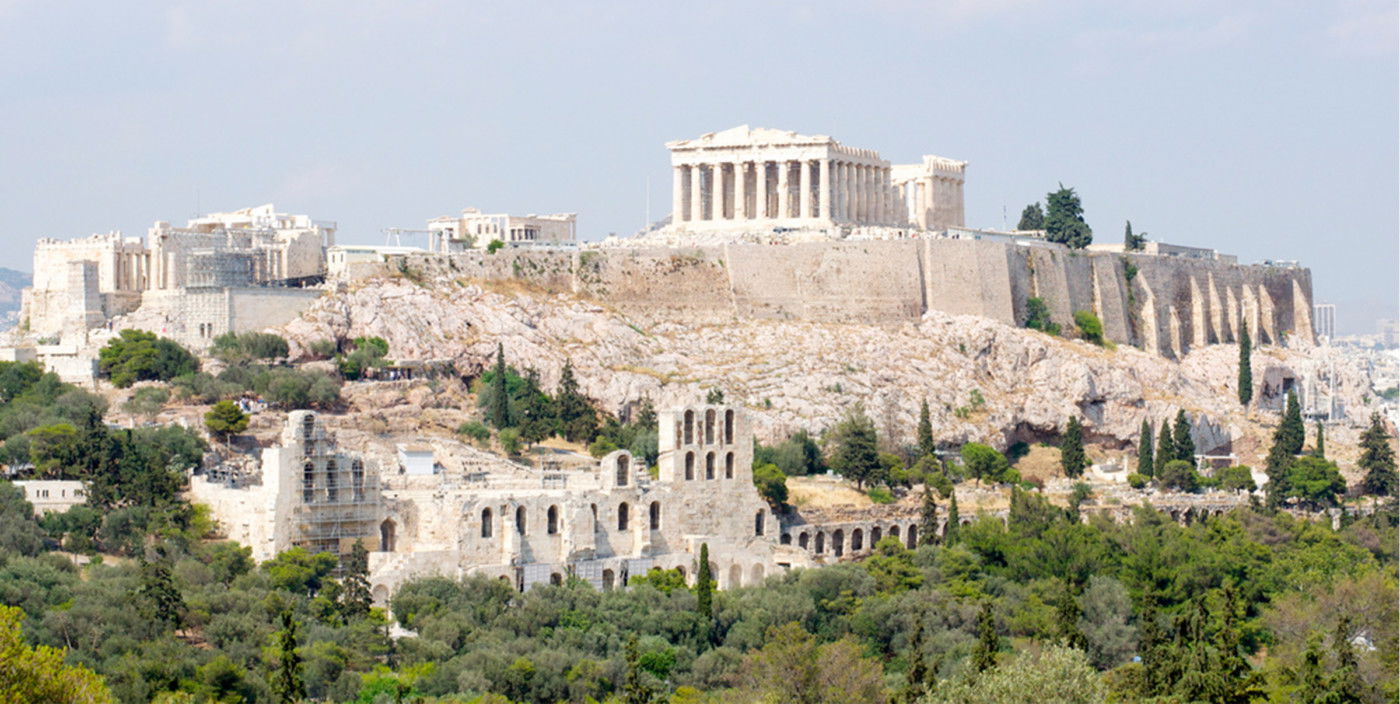
The most creative and adroit statesman of the third quarter of the fifth century B.C., transformed the Akropolis into a lasting monument to Athen’s newfound political and economic power. Dedicated to Athena, the city’s patron goddess, the Parthenon epitomizes the architectural and sculptural grandeur of Perikles’ building program.
https://www.metmuseum.org/toah/hd/tacg/hd_tacg.htm
Also known as the Severe Style, the styling becomes more plastic and lifelike. Proportions are becoming important, and sculptors gain superstar status. The middle of the fifth century B.C. is often referred to as the Golden Age of Greece, particularly of Athens.
[Note: For biographies of important sculptors from the Classical Greece, see: Phidias (488-431 BCE), Myron (Active 480-444), Polykleitos/Polyclitus (5th century) Callimachus (death in 429 BCE)
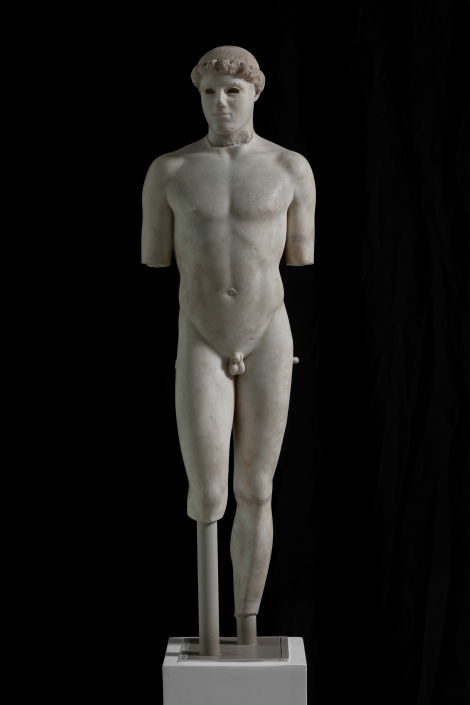
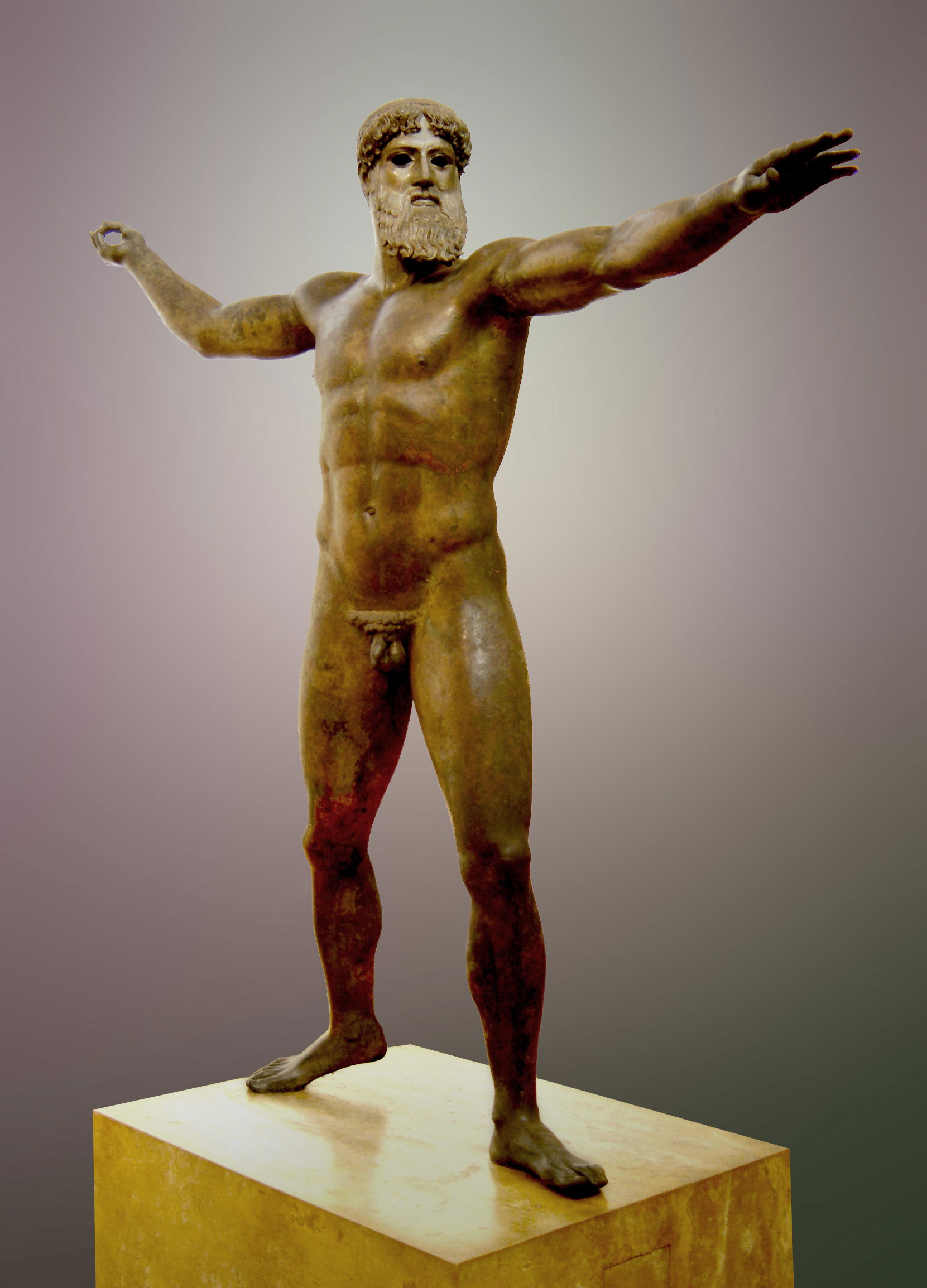
Greek artists of the fifth and fourth centuries B.C. attained a manner of representation that conveys a vitality of life as well as a sense of permanence, clarity, and harmony. Callimachus Sculptor during this period.
Although the high point of Classical expression was short-lived, it is important to note that it was forged during the Persian Wars (490–479 B.C.) and continued after the Peloponnesian War (431–404 B.C.) between Athens and a league of allied city-states led by Sparta. The conflict continued intermittently for nearly thirty years. Athens suffered irreparable damage during the war and a devastating plague that lasted over four years. Although the city lost its primacy, its artistic importance continued unabated during the fourth century B.C.
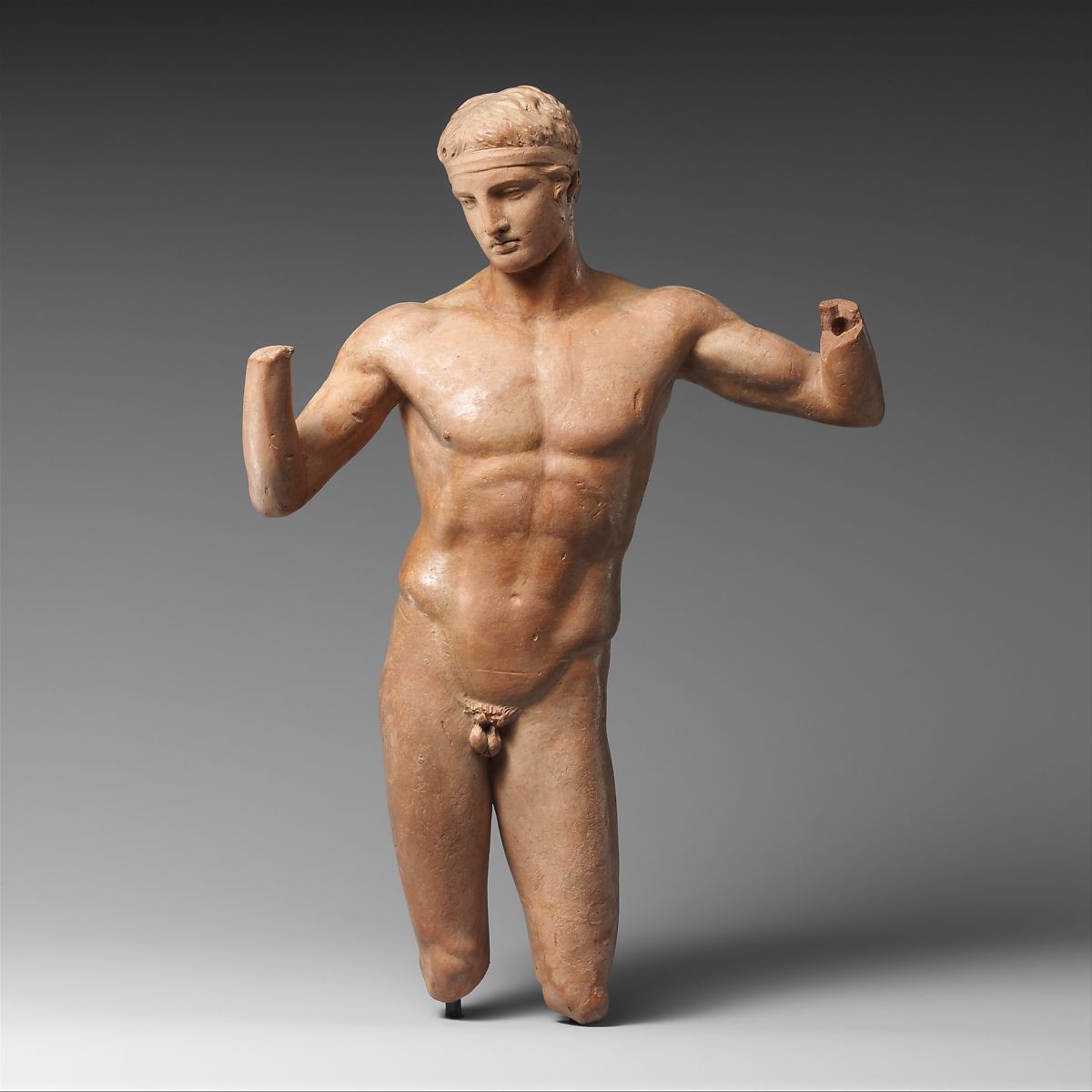
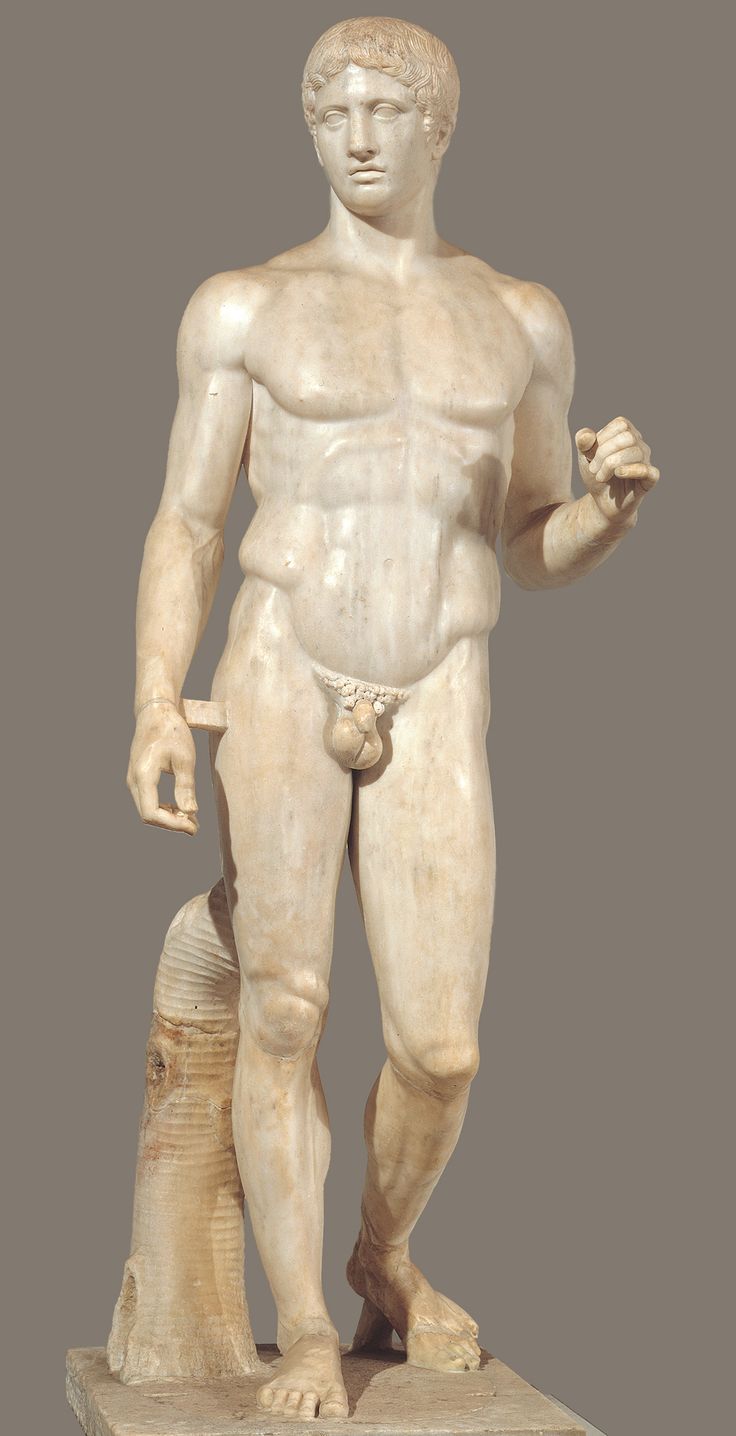
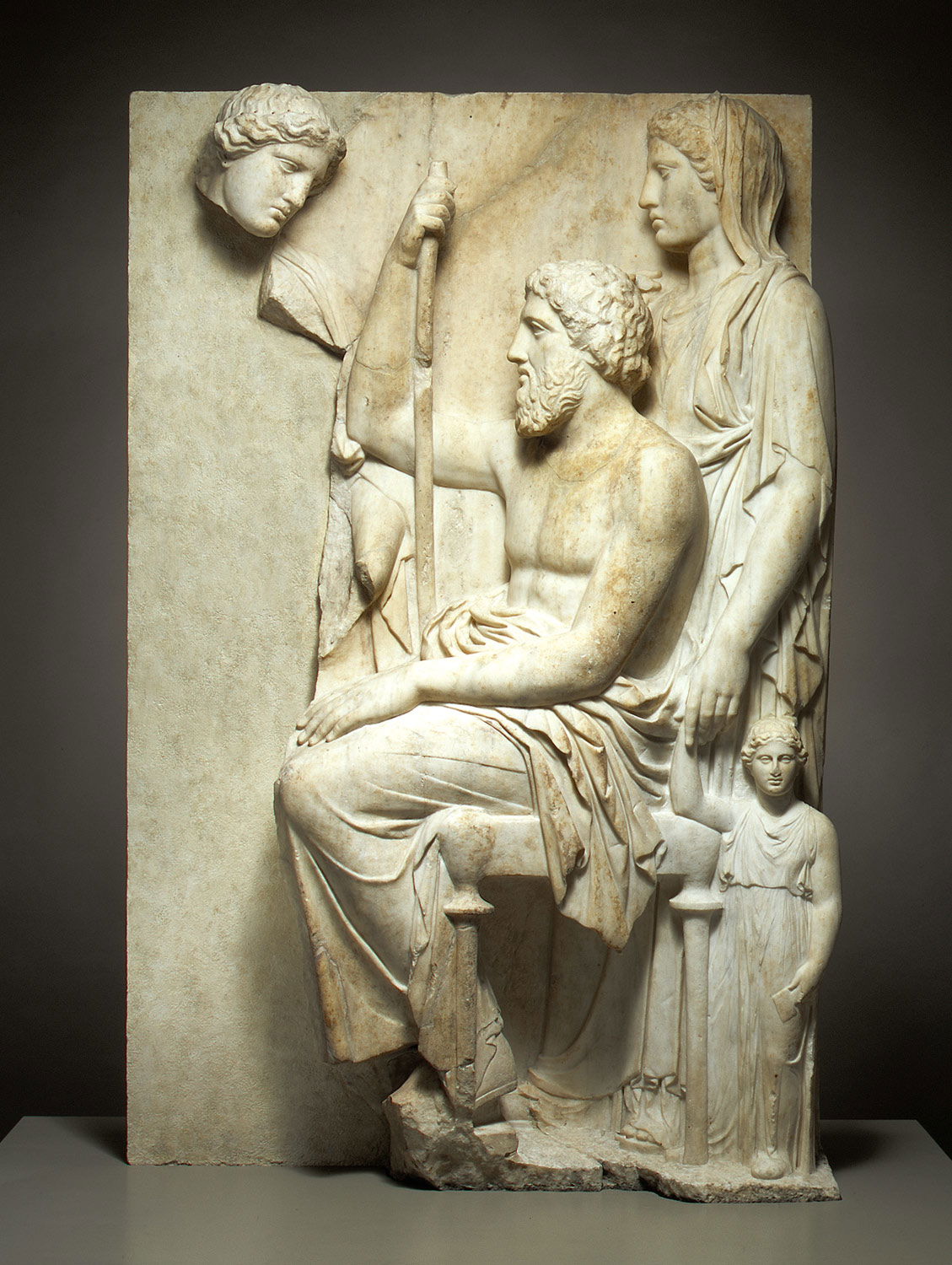
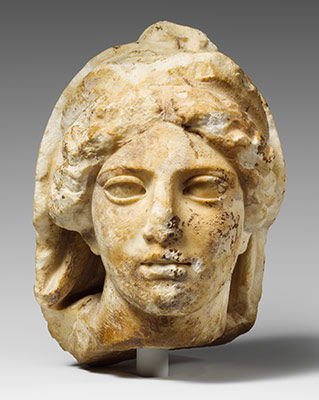
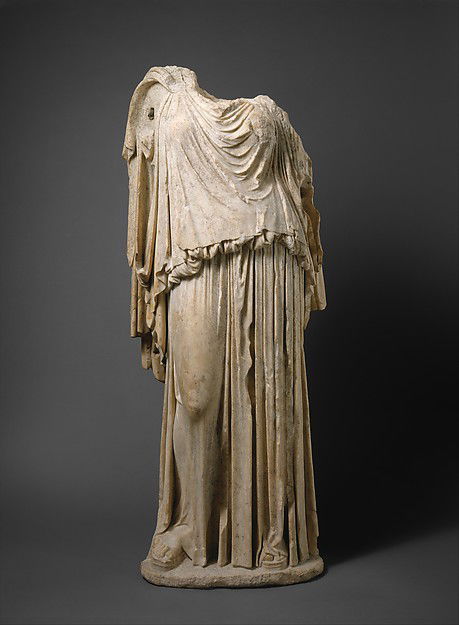
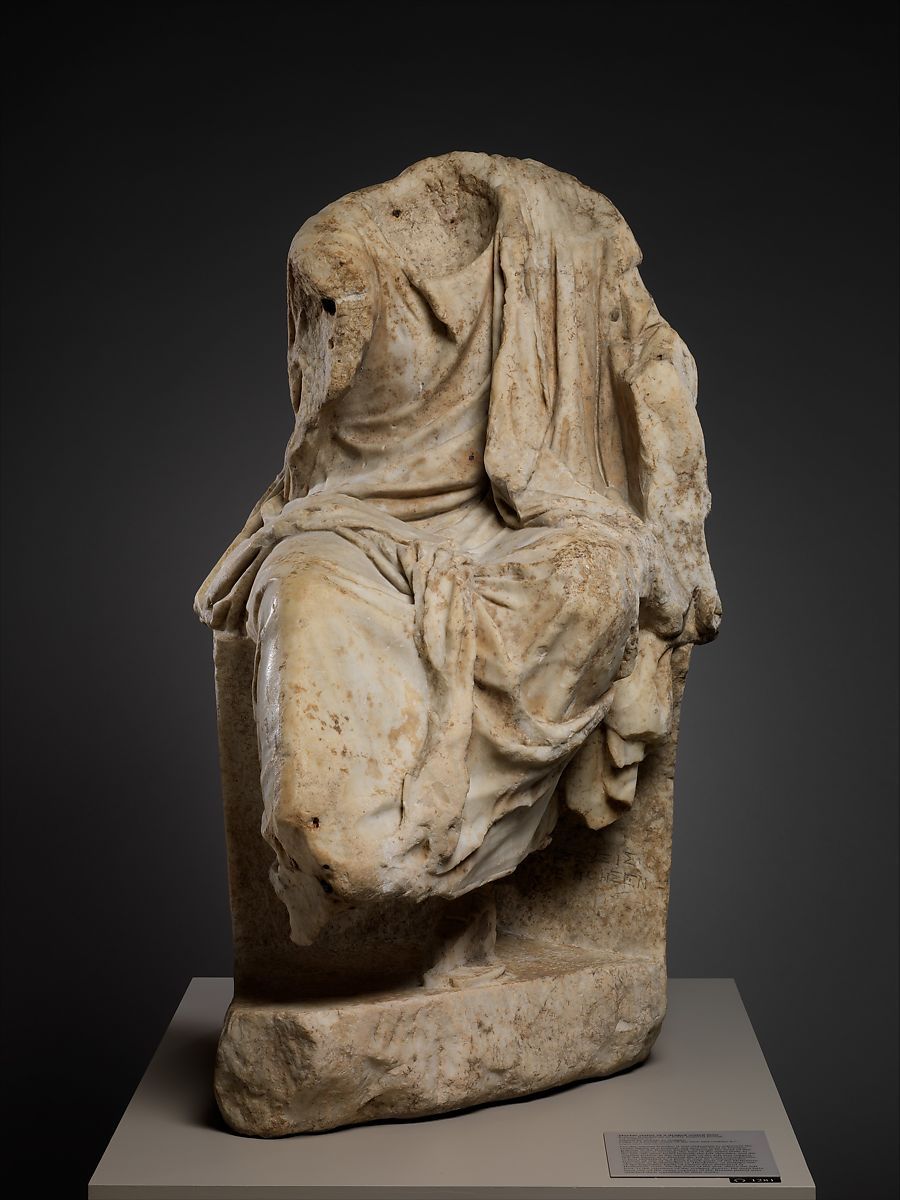
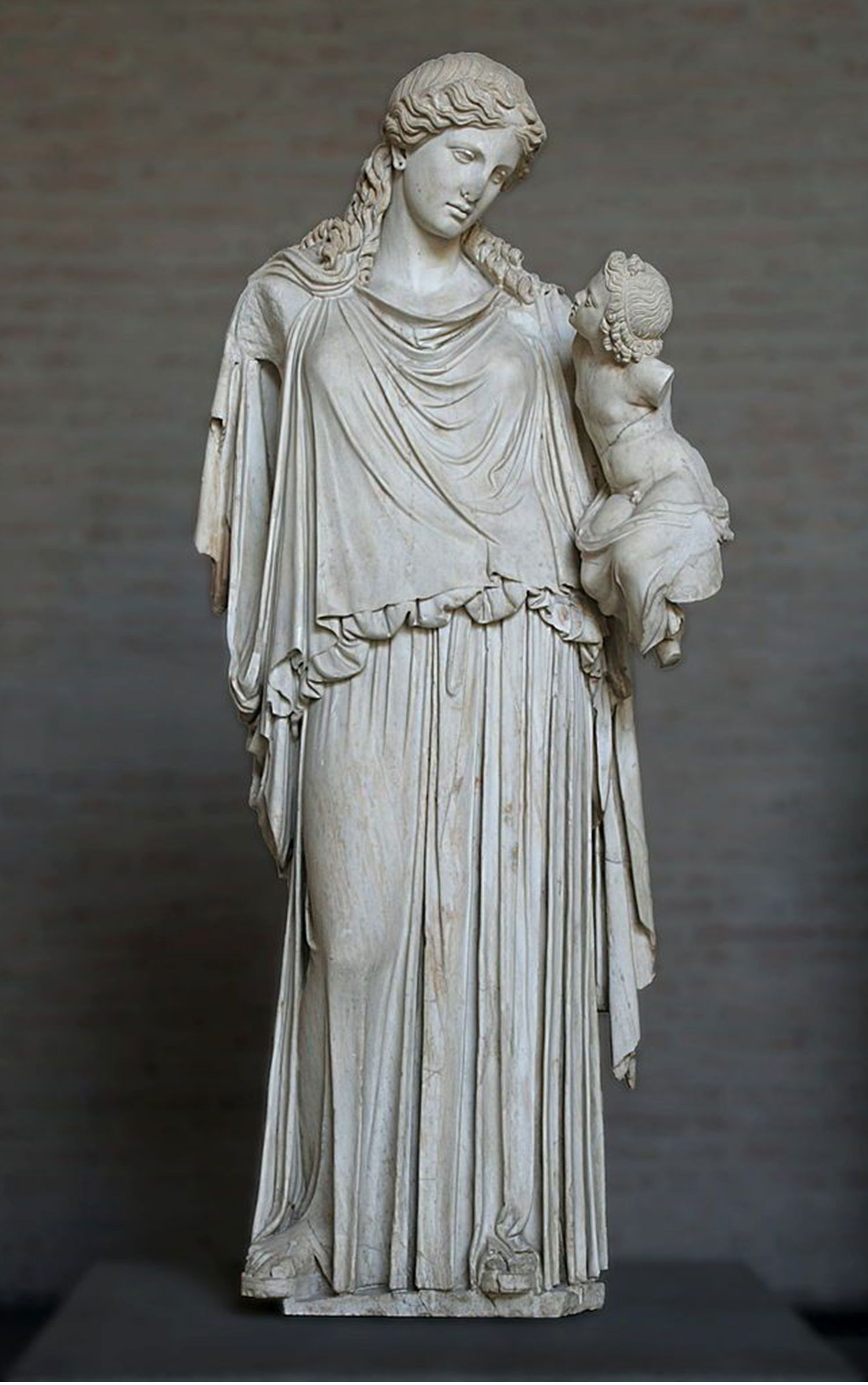
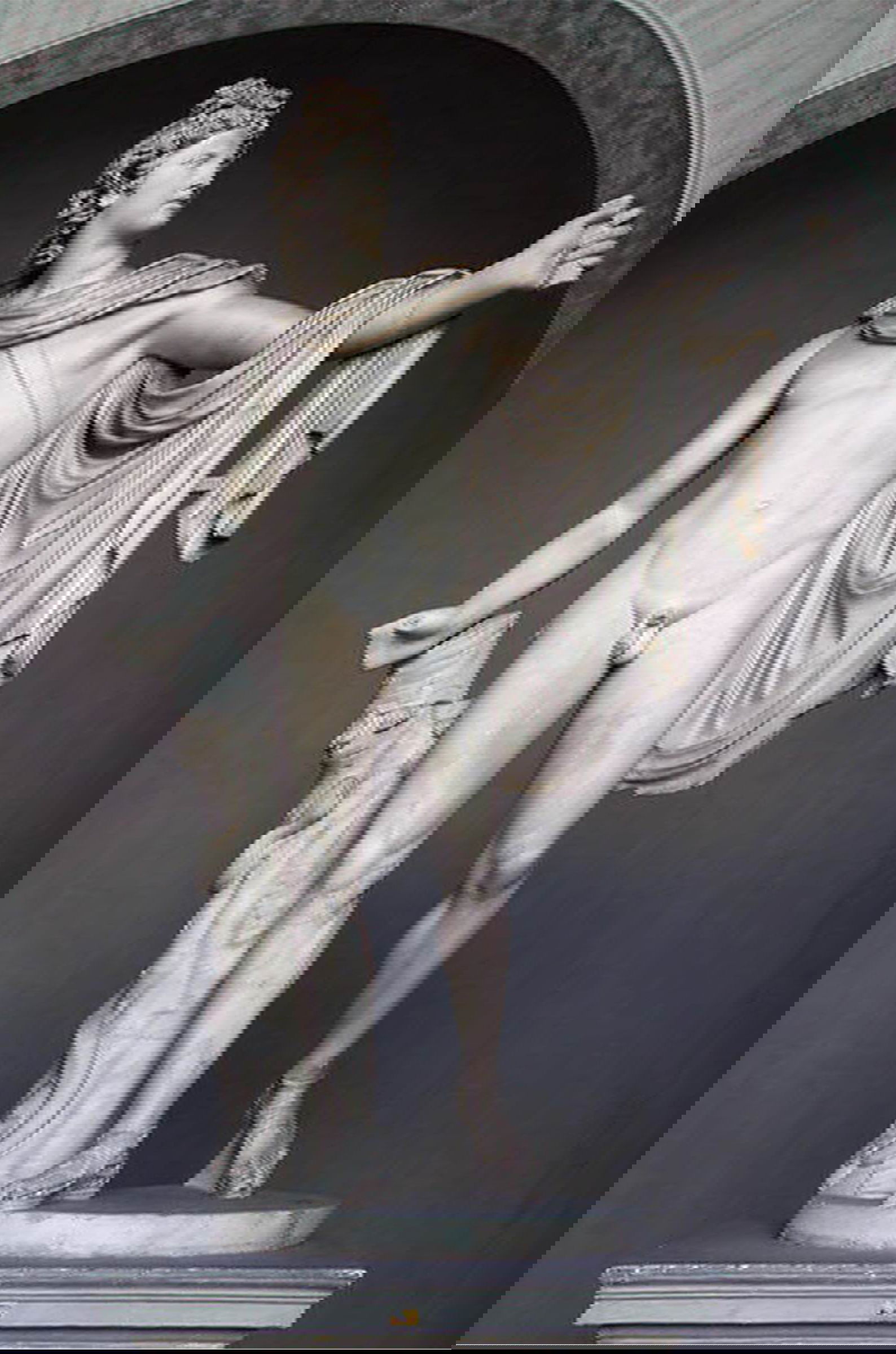
Irene and Plutus, and the Apollo Belvedere above are some of the best representations of the late classical period. Again the figures become less rigid, and drapery is perfected.
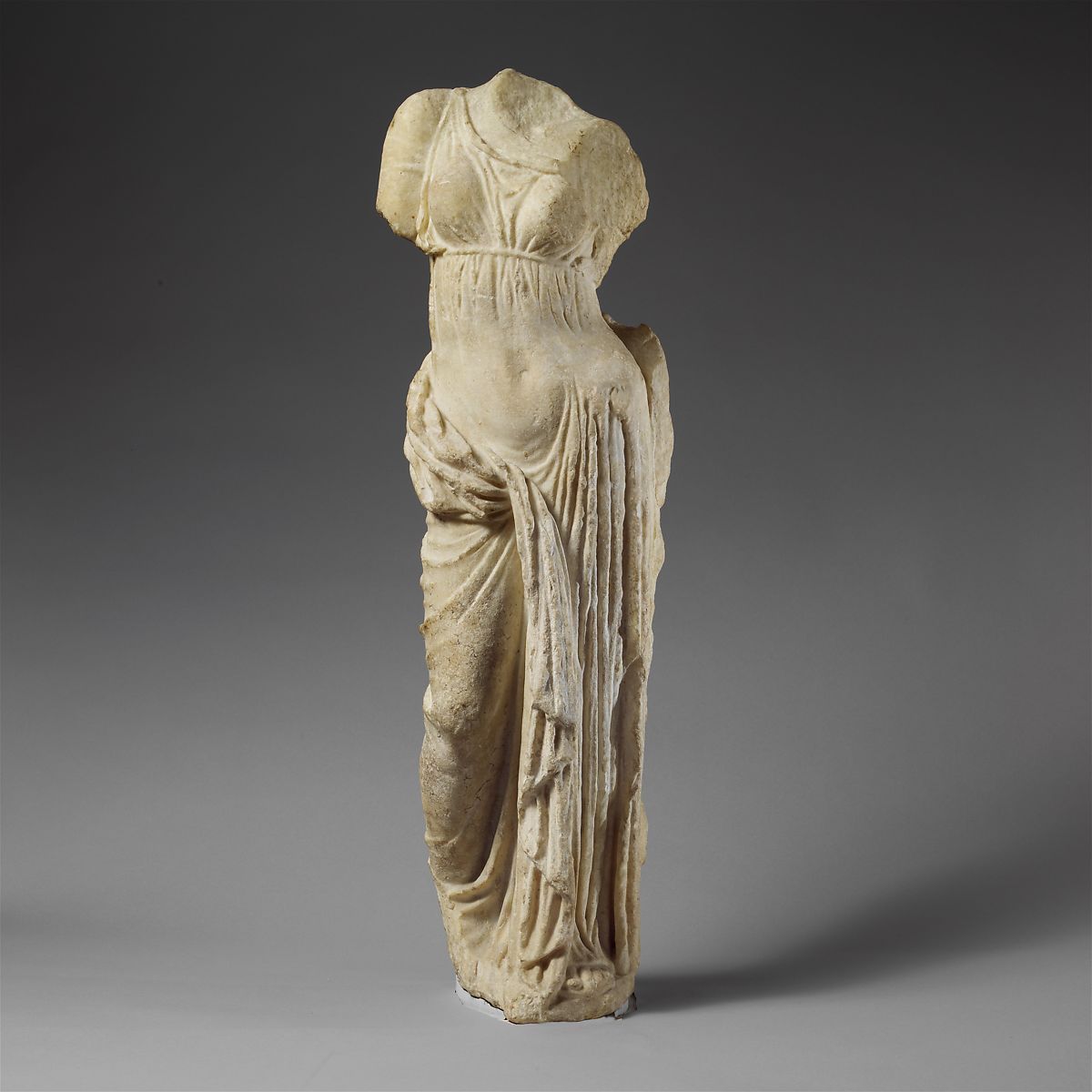
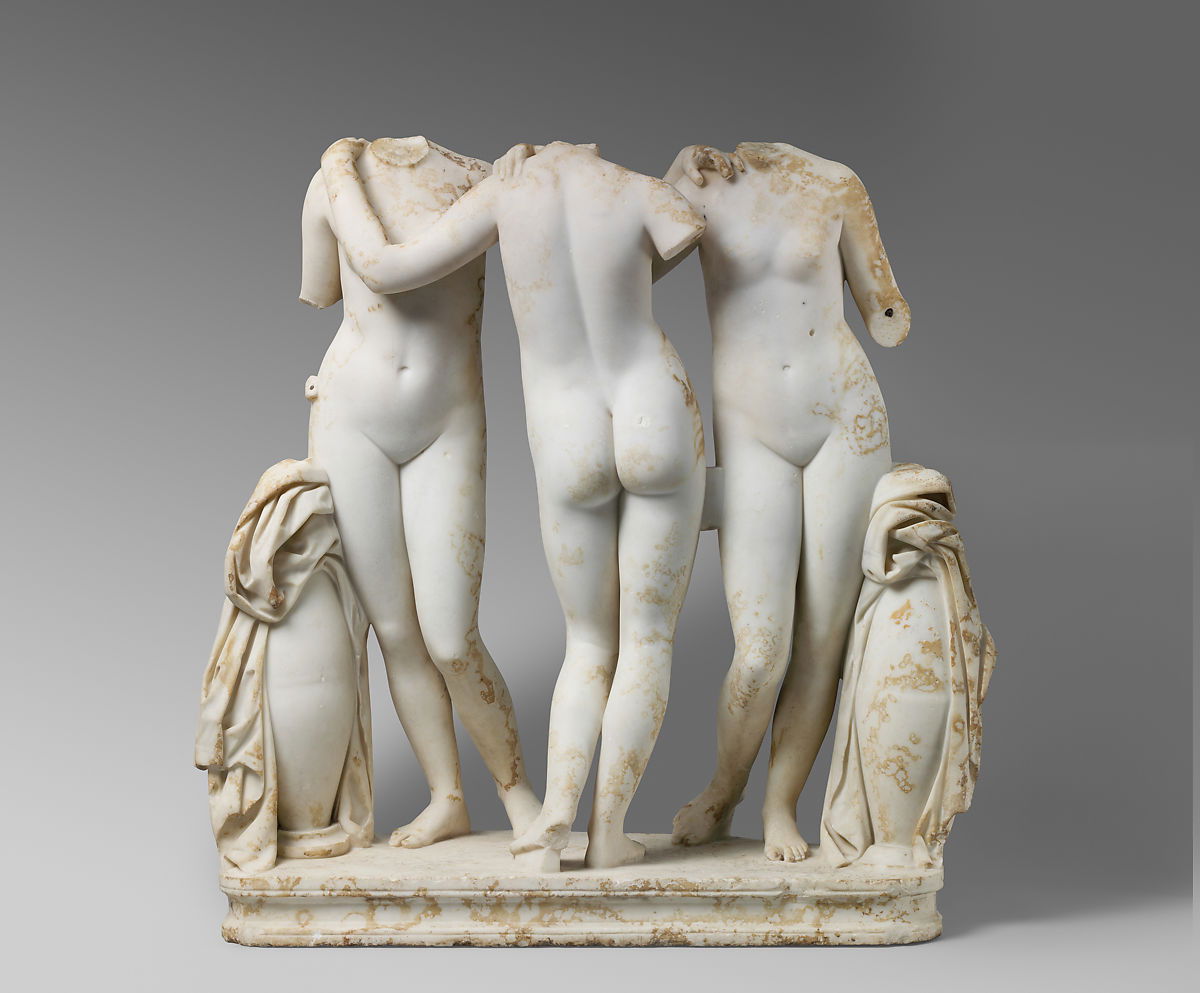
Between 334 and 323 B.C., Alexander the Great and his armies conquered much of the known world, creating an empire that stretched from Greece and Asia Minor through Egypt and the Persian empire in the Near East to India. This unprecedented contact with cultures far and wide disseminated Greek culture and its arts, and exposed Greek artistic styles to a host of new exotic influences. The death of Alexander the Great in 323 B.C. traditionally marks the beginning of the Hellenistic period.
Alexander’s generals, known as the Diadochoi, that is, “successors,” divided the many lands of his empire into kingdoms of their own. New Hellenistic dynasties emerged—the Seleucids in the Near East, the Ptolemies in Egypt
(2002.66), and the Antigonids in Macedonia. However, some Greek city-states asserted their independence through alliances. The most important of such alliances between several city-states were the Aetolian League in western central Greece and the Achaean League based in the Peloponnesos.
https://www.metmuseum.org/toah/hd/haht/hd_haht.htm