The Sculptor's Chisel
Menu
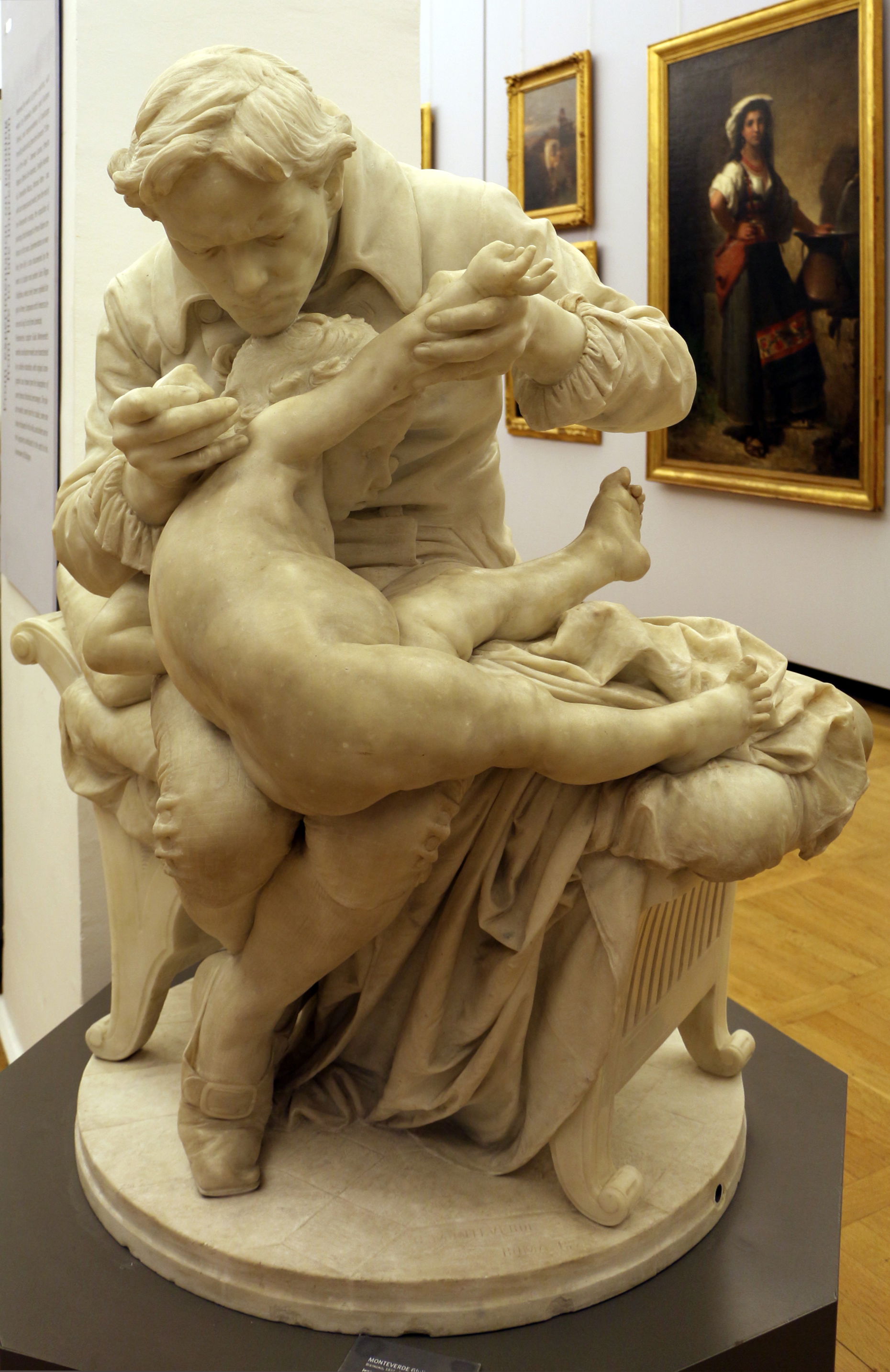
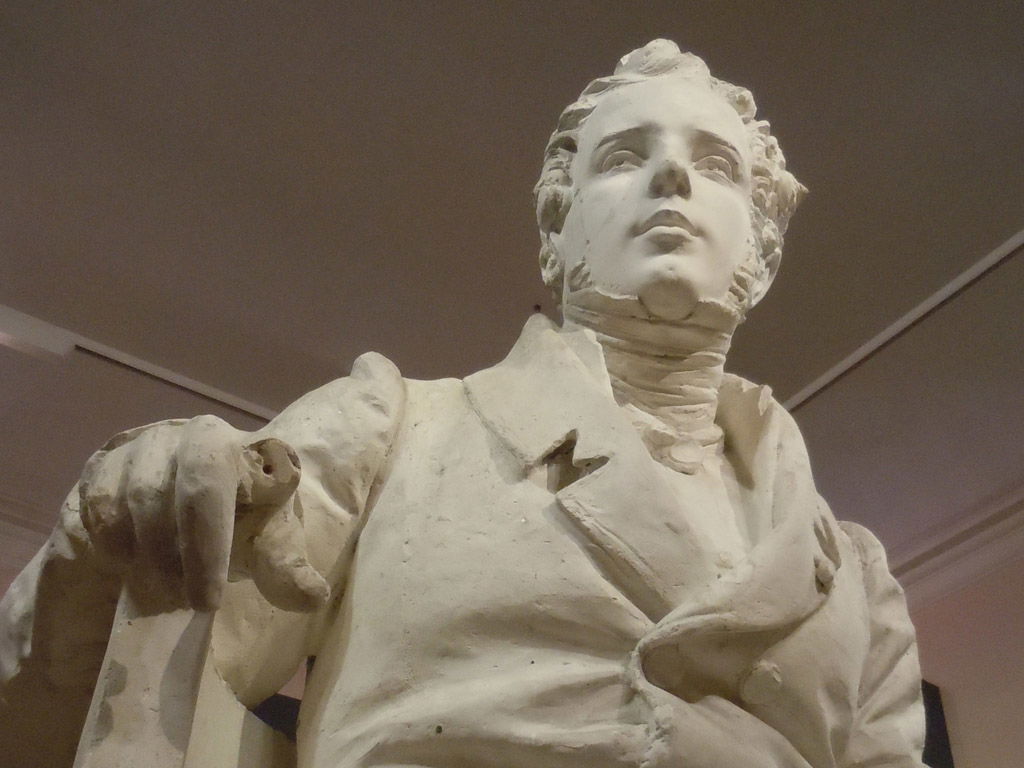
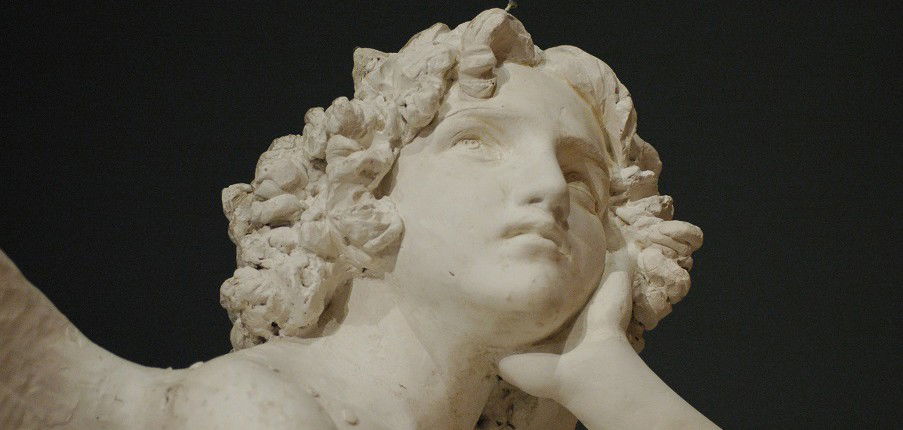
Born in a small town in Piemonte in 1837, Giulio Monteverde moved with his family to Genoa & began his artistic career there at the age of nine. A very young apprentice! Later he studied in Rome & eventually became a professor at the Academy of Fine Arts. By the 1870s, Monteverde drew critical acclaim for his statue of a young Christopher Columbus & a work titled The Genius of Franklin… a young angel holding a lightning rod.
Monteverde indirectly influenced Recoleta Cemetery by teaching two famous sculptors who would leave works inside: Victor de Pol & Lola Mora. But he would also leave one piece of his own. When the entrance gate of Recoleta Cemetery was enlarged in 1881, architect Juan Buschiazzo incorporated a chapel for families to hold a final service. Who better to decorate that chapel than the famous Monteverde? His crucifixion statue is often missed since visitors rarely stop inside. Take a moment to appreciate this wonderful work of art:
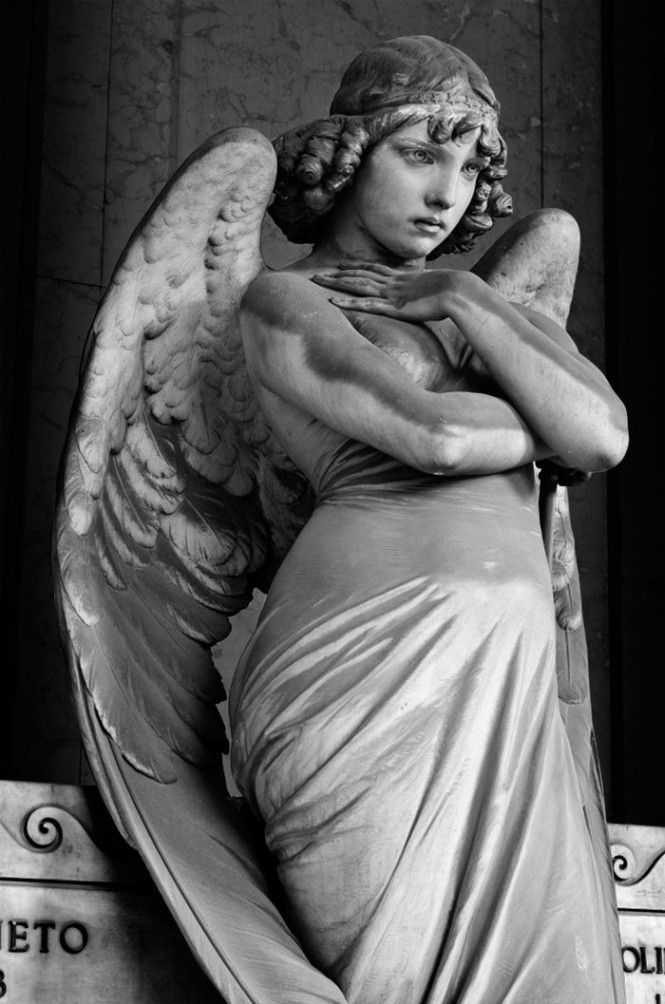
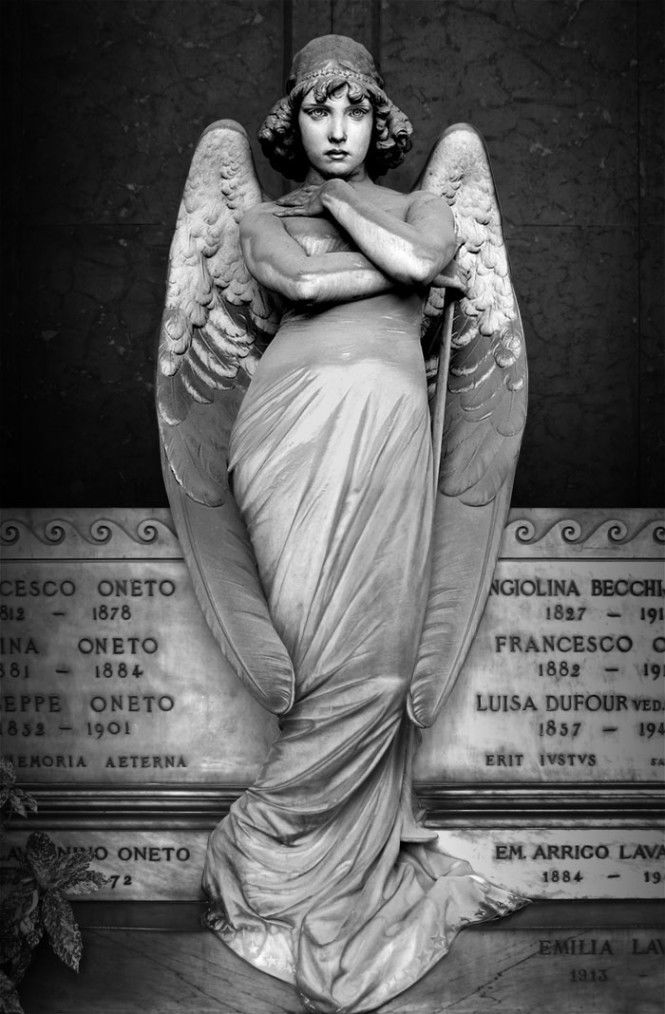
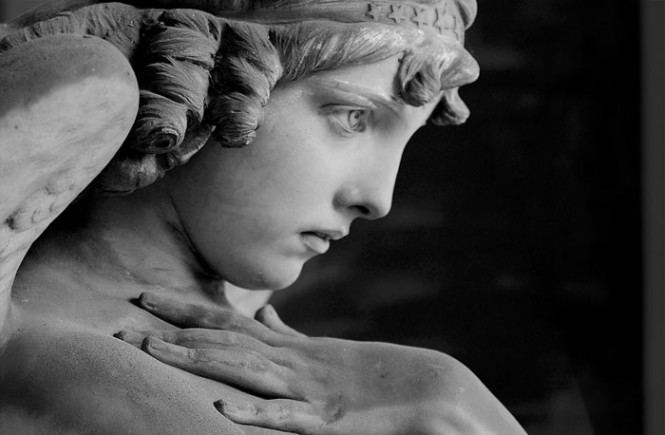
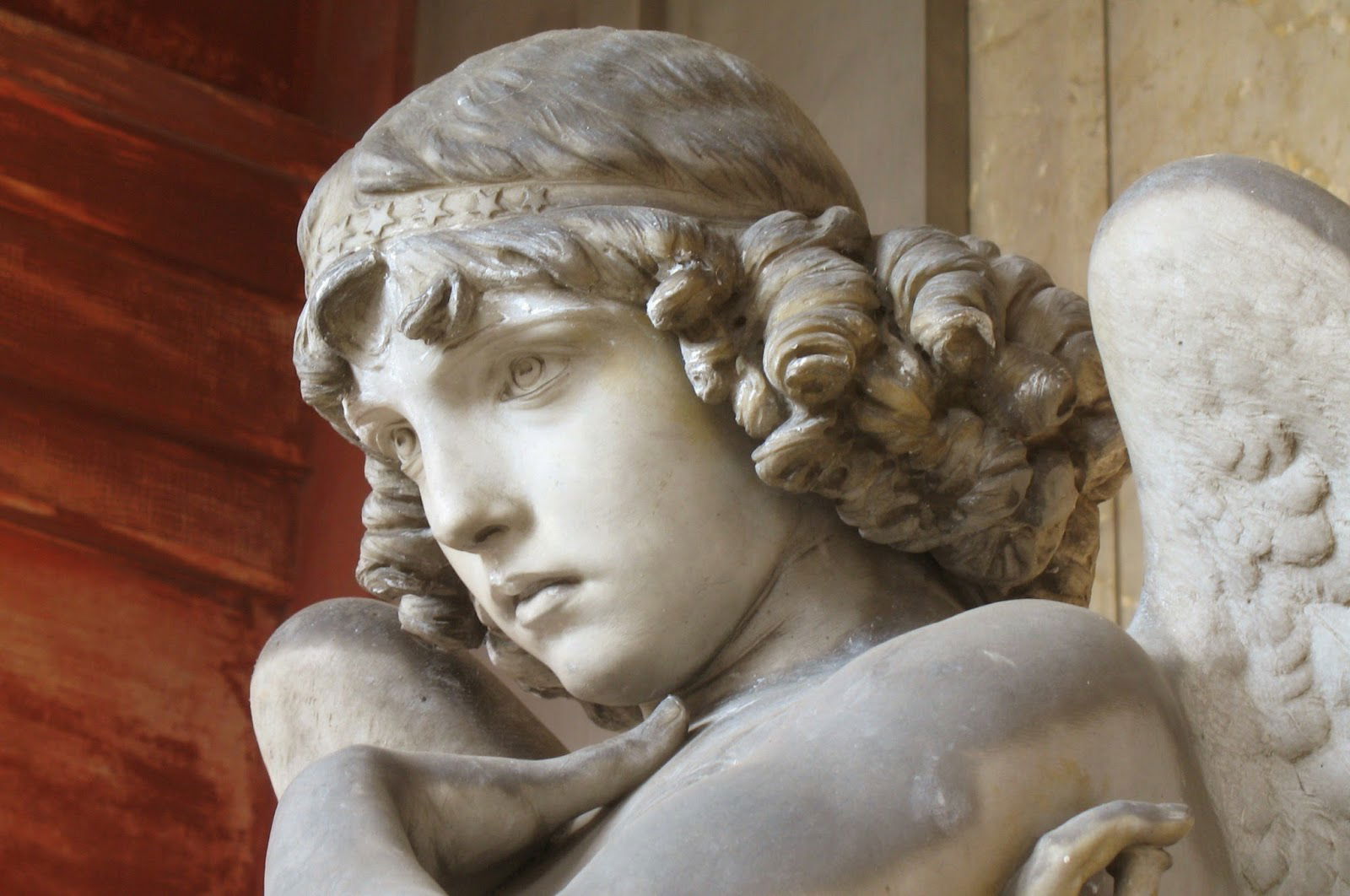
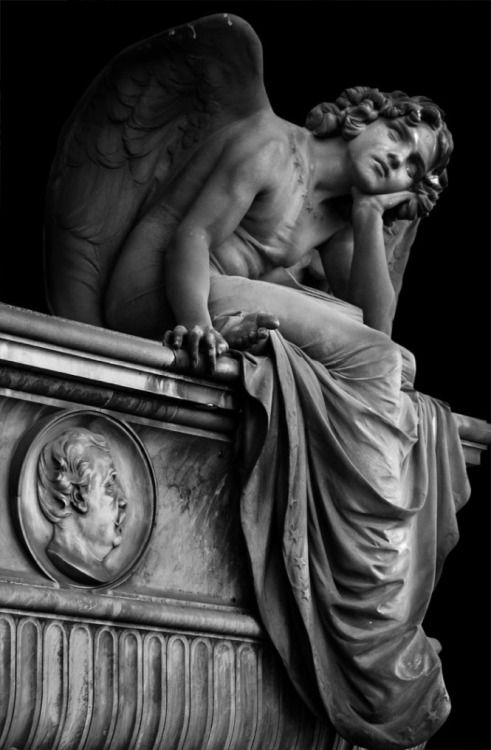
Monteverde also made one of the most recognized pieces of funerary art for the Monumental Cemetery of Staglieno in 1882 (first photo below). Often referred to as the Angel of Death or the Angel of Resurrection, a copy exists in Recoleta Cemetery on the Llambi Campbell family vault (second photo below):
Monument in Buenos Aires
He was also hired to produce a monument for the city of Buenos Aires dedicated to Giuseppe Mazzini, who fought for the unification of Italy & popular democracy. The 1879 statue can be found in Plaza Roma.
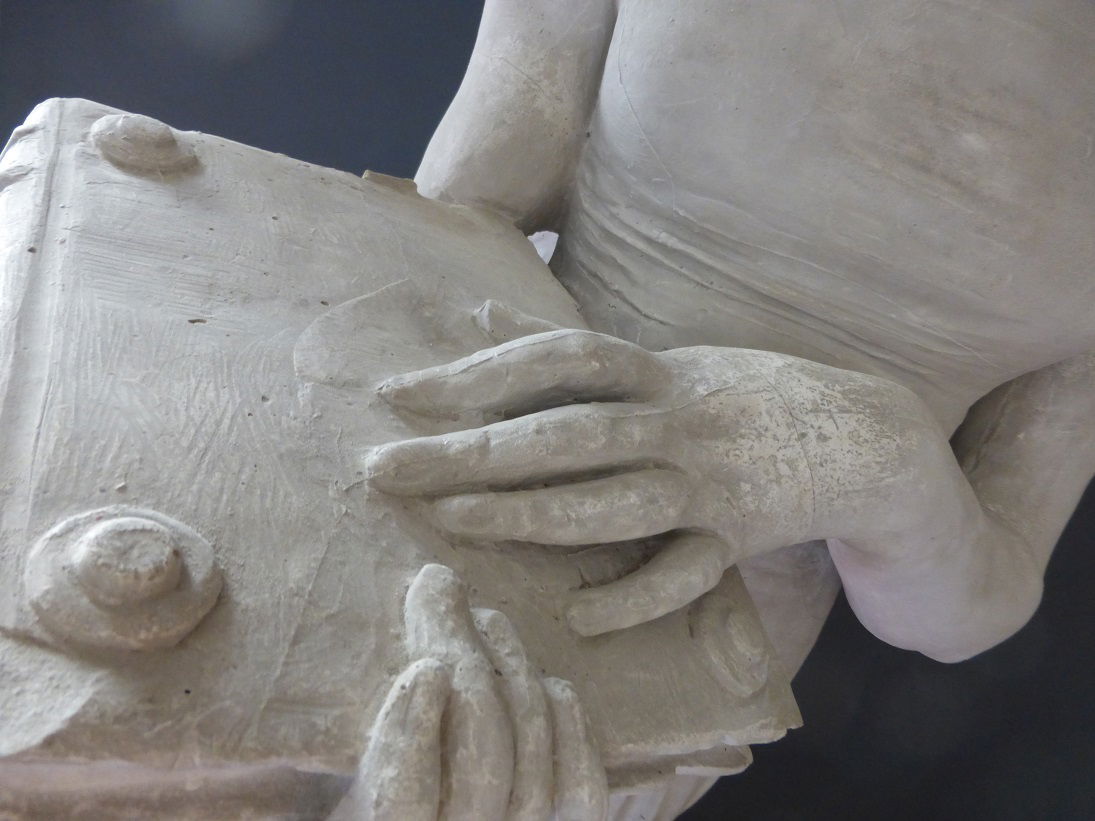
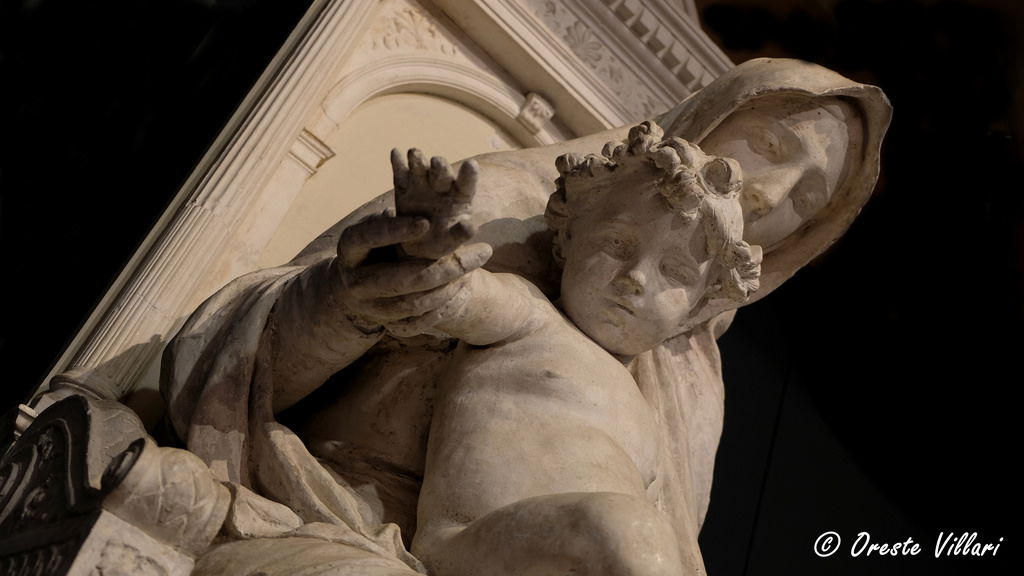
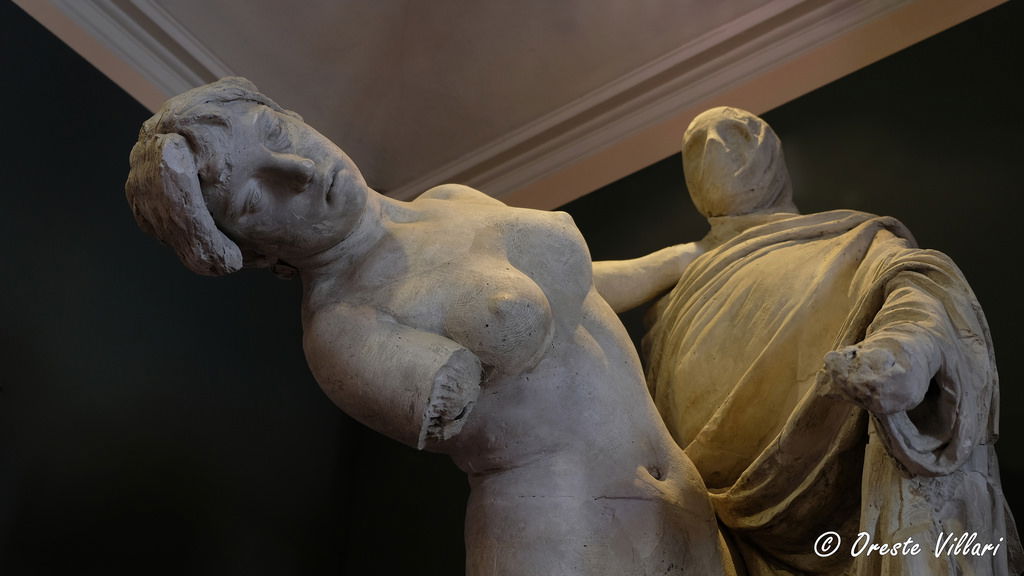
Monteverde passed away in 1917, leaving behind a legacy of art & beauty. Most of the plaster studies for his sculptures can be found today in the Gipsoteca Monteverde in his birthplace of Bistagno.
The self-portrait of Monteverde, donated from Genoa to Bistagno in 1937, centenary of the birth of the sculptor, is dated 1917, the year of his death, and shows the old artist with the hat of the sixteenth century that he used to wear during work.
Of particular interest is the sculpture Il Fabbro of 1875, part of the Volere e Potere group, never translated into durable material: it represents a young blacksmith who, throwing the playing cards to the ground, takes up the work of the anvil.
The small acephalo model, 1/3 of the true, depicts the merchant Giacomo Moresco, a munificent lender of various Genoese charities. In the hall there are also three small terracotta busts dated between 1872 and 1874, recently acquired.