The Sculptor's Chisel
Menu
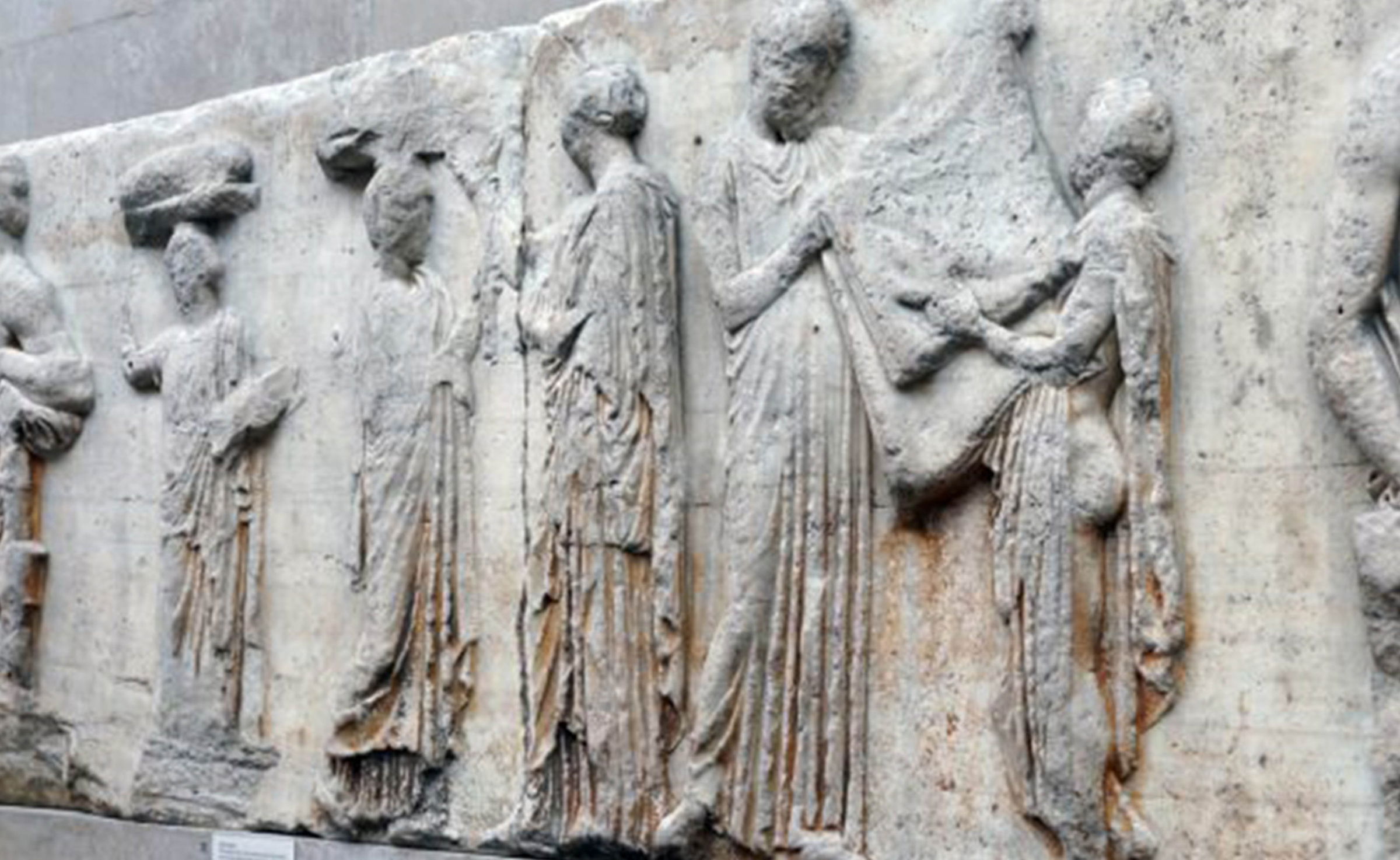
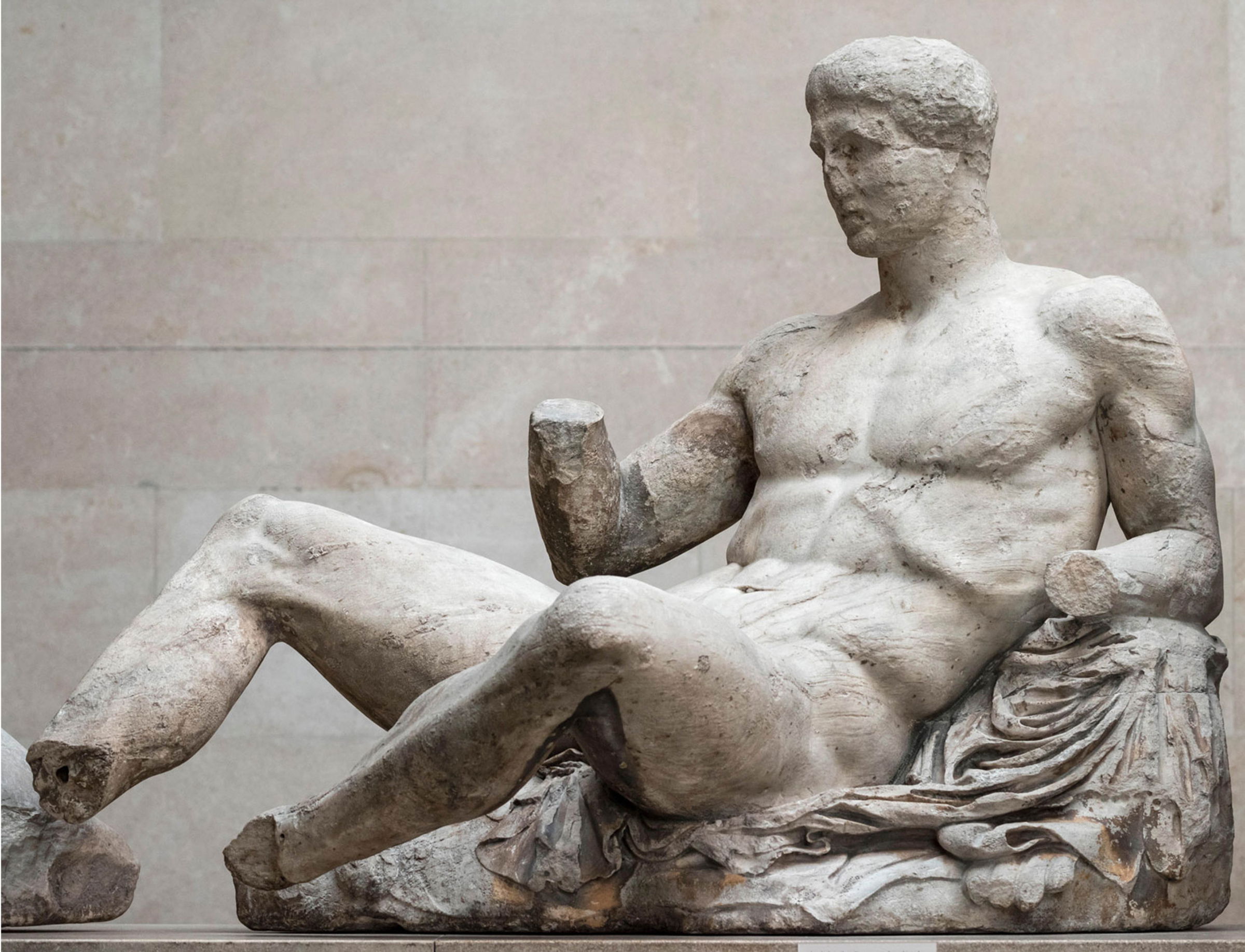
Phidias (488-431 BCE)
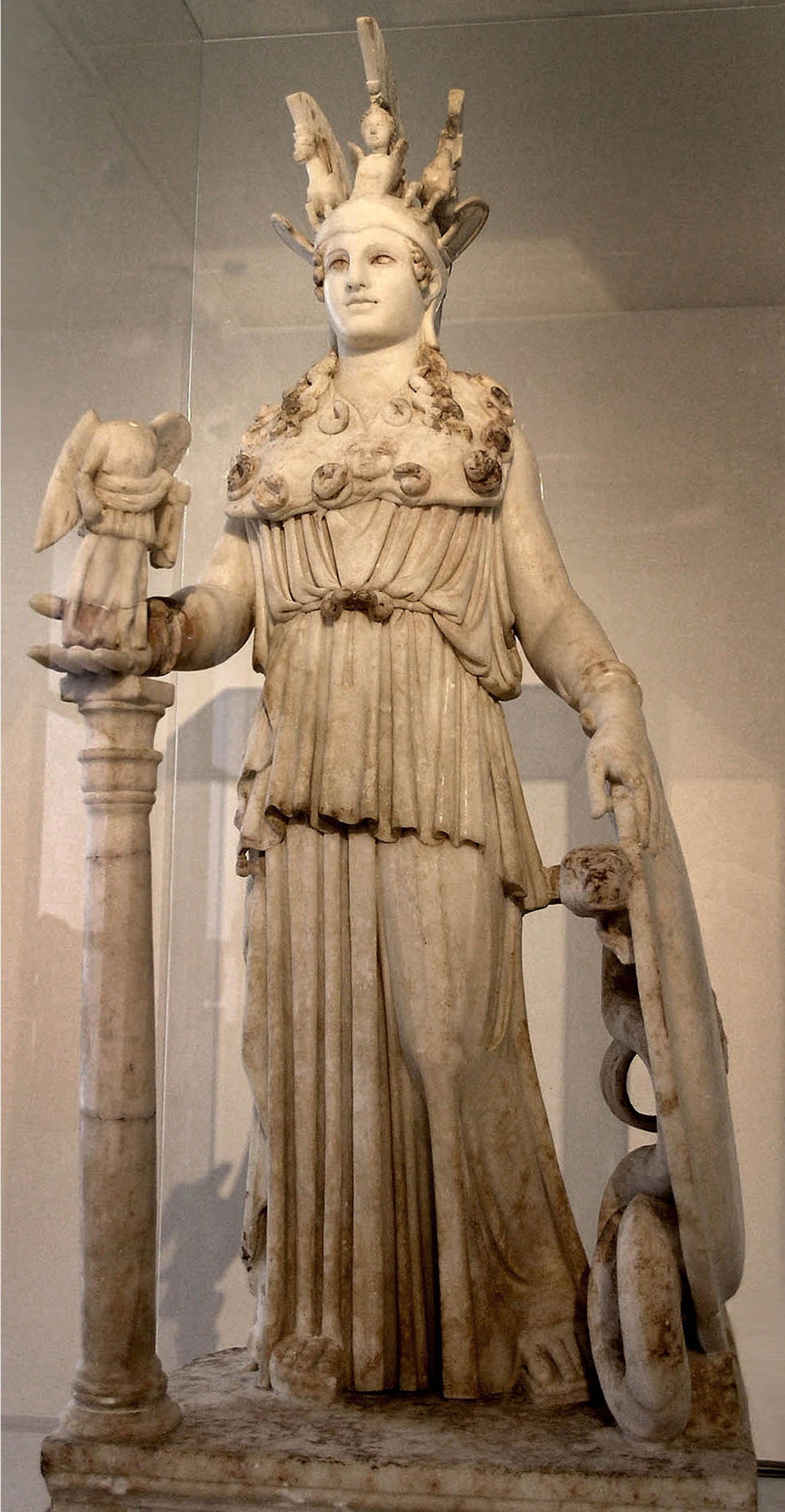
Phidias is generally regarded as one of the greatest sculptors of Classical Antiquity, and the greatest carver of Early Classical Greek sculpture. Also a painter and architect, Phidias was celebrated for his bronzes and especially his chryselephantine statues (in gold and ivory). Among his many famous works of Greek sculpture he is probably best known for his 40 foot statue of the goddess Athena at the Parthenon, Athens and his colossal Zeus at Olympia which became one of the Seven Wonders of the World.
Biography
Very little is known of Phidias' life, apart from his works. Born around 488 BCE in Athens, his father's name was Charmides. There are various accounts of his training. According to Pliny, Phidias learned the art of sculpture from Ageladas of Argos - the same teacher who taught both Myron (480-444 BCE) and Polykleitos (5th century BCE). Other sources say that he was also taught by Hegias of Athens, and the Thasian painter Polygnotus.
At some point in Phidias' career he befriended the famous and influential statesman Pericles, the famous champion of Greek architecture and sculpture, which was one of the chief reasons Athens held the reputation as the cultural centre of the ancient world. Under Pericles, Phidias received several sculpture commissions in 447 BCE to celebrate the Greek victory against the Persians at the Battle of Marathon. The object was to decorate and beautify Athens. In his Life of Pericles, Plutarch gives an account of the vast artistic activity that was undergone. In all these works, according to Plutarch, Phidias was the adviser and overseer of Pericles. And it was eventually, as a result of this close relationship, that Phidias is believed to have met his downfall.
Phidias' Sculpture
Contemporary critics acclaimed Phidias's sculpture for it's aesthetic values. It is believed that he employed the Golden Ratio in his proportions - that is an irrational number approximately 1.6180 which, when studied, has special mathematical properties. Phidias seldom executed carvings in marble, although this was popular at the time, preferring bronze sculpture, gold, ivory and wood-carving. He particularly excelled in bronze casting.
Although no original works of Phidias remain today, numerous copies Roman copies are known to exist. This is fairly common as almost all classical Greek sculptures and paintings have been destroyed - the Romans made very close copies - never developing their own style but instead furthering the Greek style.
« Back to Glossary Index