
The Sculptor's Chisel
Menu
where the sculpted elements remain attached to a solid background of the same material. The term relief is from the Latin verb relevo, to raise.
1 - Counter Relief
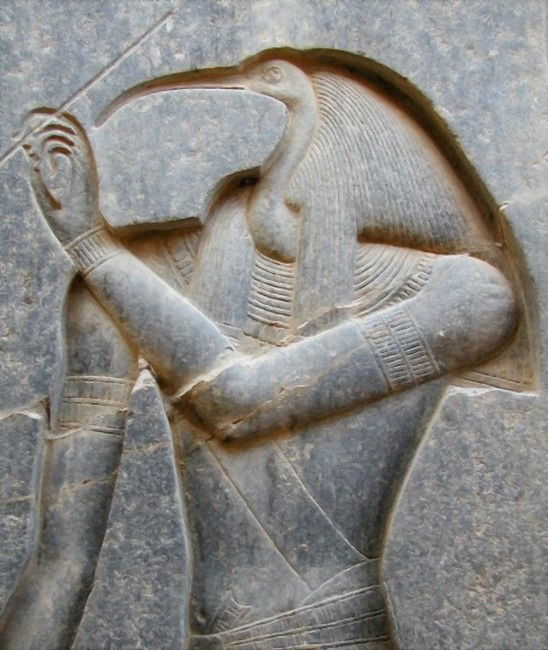
Sunken Reliefs
are more closely associated with Egyptian art, but they are also prevalent in Gothic art. They are carved below the surface, making it safe to transport without damaging the carving.
2 - Embossed Relief
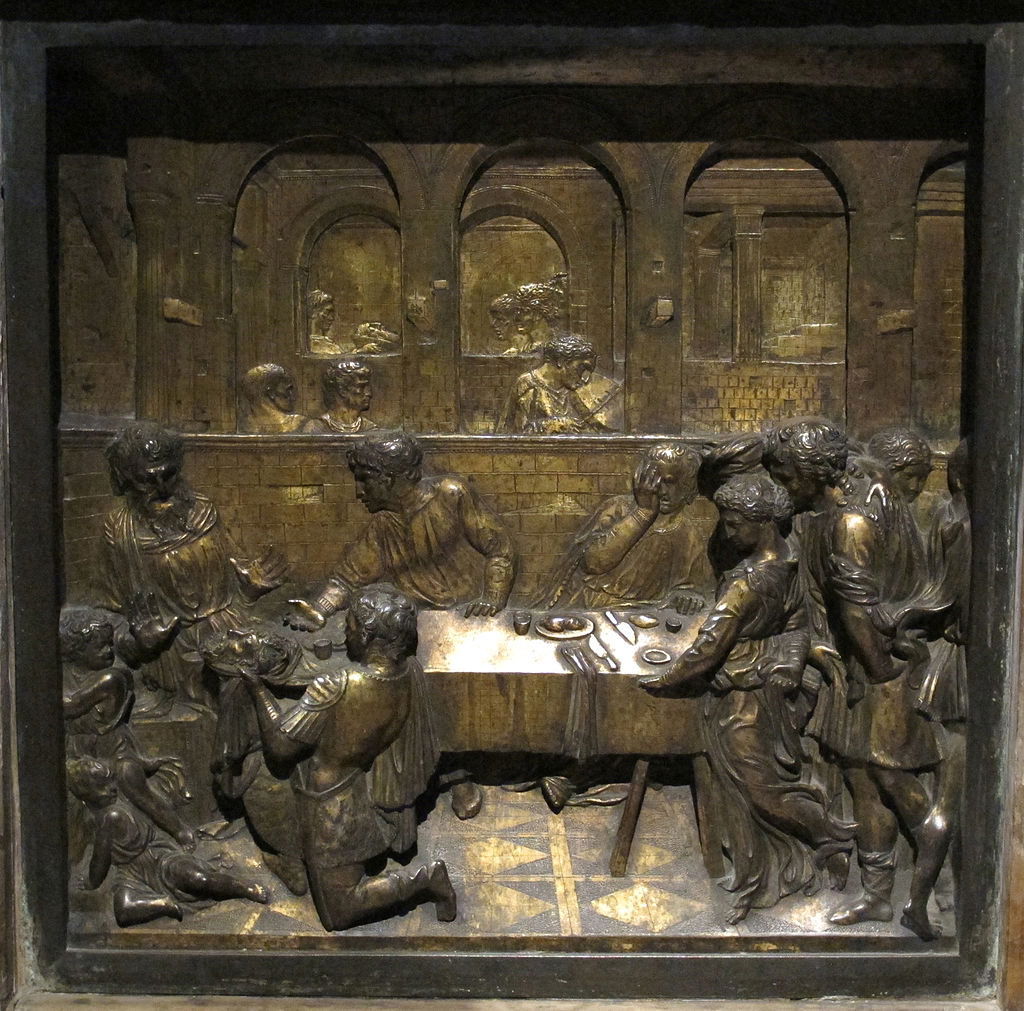
The master of the Embossed Relief is Donatello
and the Baptistry doors of St. Peters Cathedral in Rome. It is a very low relief with undercuts that gives the illusion of depth.
3 - Low Relief
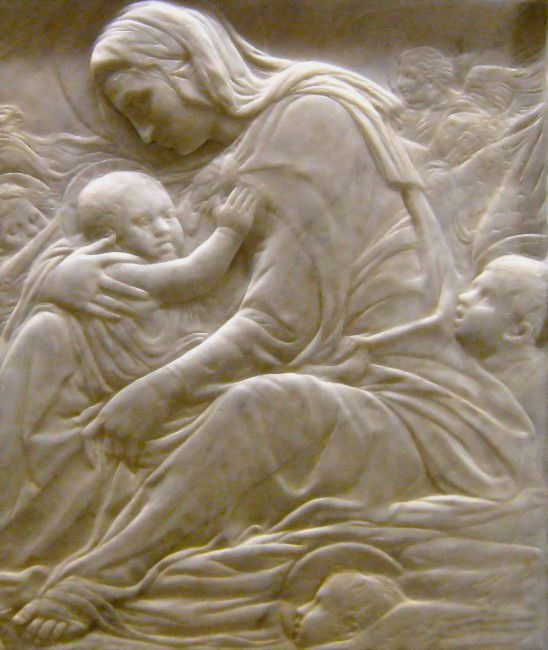
A low relief or bas-relief,
Italian basso rilievo is a projecting image with a shallow overall depth, for example used on coins, on which all images are in low relief.
In the lowest reliefs the relative depth of the elements shown is completely distorted, and if seen from the side the image makes no sense,
It is a technique which requires less work, and is therefore cheaper to produce.
4 - Mid Relief
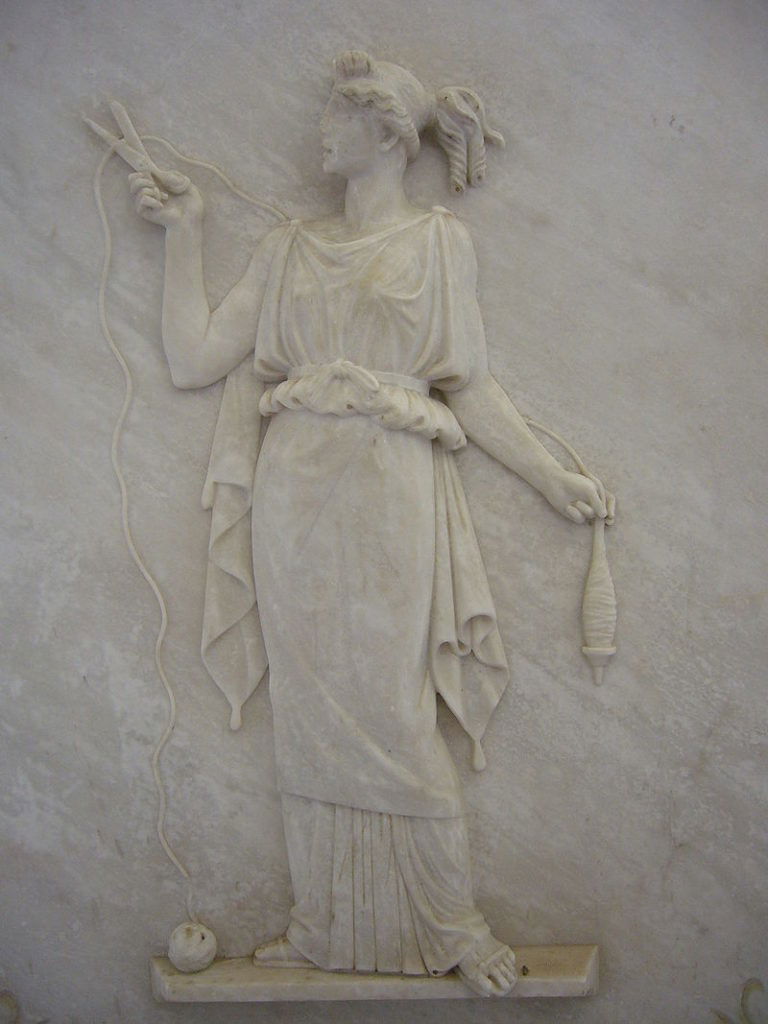
Mid-relief, "half-relief" or mezzo-rilievo
Mid Relief is deeper than Bas, and has some undercuts producing dark shadows. None of the limbs are detatched from the back ground.
5 - High Relief
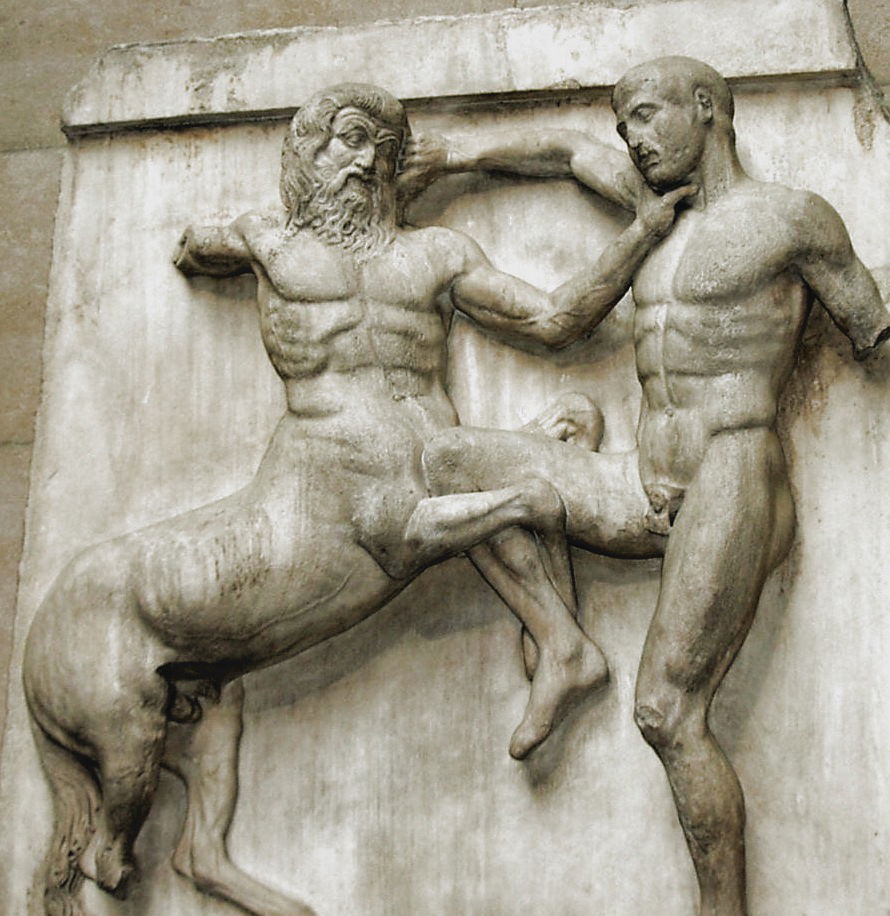
High relief (or altorilievo, from Italian)
is where in general more than half the mass of the sculpted figure projects from the background.
Indeed, the most prominent elements of the composition, especially heads and limbs, are often completely undercut, detaching them from the field.
High reliefs are commonly found in ancient architecture, but you see them more recently as in the Arc de Triomphe by Francois Rude, Prince Albert Memorial, and many Victorian Era Civic buildings.
Most of the many grand figure reliefs in Ancient Greek sculpture used a very "high" version of high relief, with elements often fully free of the background, and parts of figures crossing over each other to indicate depth.
The metopes of the Parthenon have largely lost their fully rounded elements, except for heads, showing the advantages of relief in terms of durability.
« Back to Glossary Index